

Imagine you’re staring at your car after a fender bender—frustrated, confused, and unsure whether it needs a simple paint touch-up or full collision repair. Auto body repair can feel overwhelming, but it doesn’t have to be. Whether you’re a car owner, fleet manager, or insurance adjuster, knowing the repair process and your options puts you back in control. This step-by-step guide makes auto body repair straightforward, so you can get your vehicle back on the road safely without added stress.
Facing Auto Body Repair Challenges: Why This Guide Matters
Auto body repair isn’t just about fixing dents and scratches—it’s about restoring your vehicle’s safety, value, and appearance after damage. Today’s vehicles involve complex structures, advanced materials, and high-tech systems, meaning even minor collision repair can have big consequences for long-term safety and performance. This guide is crafted for everyone who’s ever felt lost after an accident or simply wants to make the repair process seamless. We’ll break down what to expect at every step, how to evaluate a body shop, and what it takes to return your car to pre-loss condition with confidence.
Understanding the Common Issues in Auto Body Repair
The most common issues drivers face after a collision often go beyond obvious dents or shattered panels. There could be hidden frame misalignments, issues with advanced driver-assist sensors, or mismatched paint repairs if not handled by a skilled auto body shop. Sometimes, a simple bumper dent reveals further damage months ago that wasn’t caught until now. “Most car owners underestimate the complexity of even minor collision repair. ” Choosing qualified repair facilities is crucial to ensuring repairs go beyond cosmetic fixes. A professional body shop blends craftsmanship with modern diagnostic technology, ensuring not just appearance but also your ongoing safety and satisfaction.
What You’ll Learn About Auto Body Repair
Identify essential auto body shop procedures
Navigate the full collision repair process confidently
Assess when to choose a professional body shop
Understand back on the road timelines
Know your options on lifetime warranty coverage
What is Auto Body Repair?
Defining Auto Body and Its Role in Collision Repair
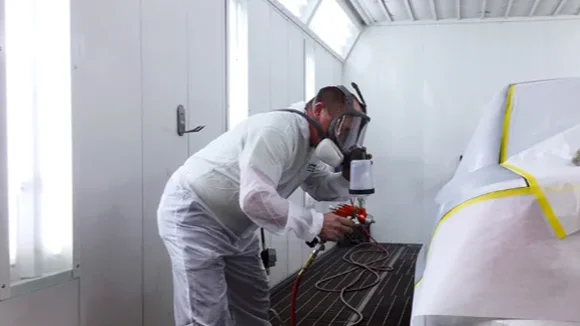
Auto body repair is the specialized field focused on restoring your vehicle’s outer structure and overall integrity following any damage, whether from a collision, hail, or simple wear and tear. The auto body—the sheet metal, bumpers, fenders, hoods, and trim—serves both protective and aesthetic roles. When these parts are compromised, a professional auto body shop is equipped to restore not just your car’s appearance, but also its manufacturer-intended safety features. Collision repair is a detailed process involving assessment, structural straightening, and matching paint repair to original finishes, ensuring your car returns to the road safely and looks as good as new. These shops work closely with insurance carriers and adjusters to streamline the repair process and guarantee results.
As you consider the intricacies of modern collision repair, it's important to recognize how advanced driver assistance systems (ADAS) can impact both the assessment and repair process. For a deeper look at how these technologies influence repairs and what to watch for, explore how advanced driver assistance systems affect collision repair and why specialized expertise matters.
Step-by-Step Auto Body Repair Process
Inspection and Damage Assessment: An expert technician begins with a thorough inspection, using modern diagnostic tools to identify both visible and hidden damage. This step is crucial, as issues like frame distortion or sensor misalignment may not show up at first glance. A detailed assessment produces an itemized repair plan, which is then shared with you and often your insurance company to ensure everyone’s on the same page.
Disassembly and Body Shop Planning: With the plan approved, the damaged areas are carefully disassembled by the auto body shop technicians. This process exposes any underlying problems that may have occurred months ago, like rust or weaknesses, which can be addressed immediately. Strategic planning at this stage ensures repairs go smoothly, parts are matched, and downtime is minimized.
Frame and Structure Straightening: If the damage affects your car’s structure, specialized alignment equipment is used to restore the original dimensions. This is vital for post-repair safety, as even slight frame distortions can impact how your vehicle performs in the event of another accident. Quality repair facilities use I-CAR Gold standards to ensure precision.
Surface Preparation and Paint Matching: Any exposed surfaces are repaired and prepped, with dents filled and panels smoothed. Advanced paint repair techniques involve digital color matching, so your vehicle returns to you with a seamless finish. The best shops use paint repair facilities with negative pressure booths to ensure a dust-free, high-gloss result.
Panel Replacement and Collision Repair: Damaged panels are replaced with OEM or quality-tested alternatives. All collision repair is performed with attention to underlying systems, so features like airbags, sensors, and advanced safety tech remain reliable.
Reassembly, Detailing, and Final Quality Checks: Once repairs are complete, the vehicle is carefully reassembled. A comprehensive quality control checklist is followed, including visual inspections, system diagnostics, and a post-repair road test. Customer satisfaction is ensured before you’re cleared to drive away, free of charge from worry.
Selecting the Right Auto Body Shop
How to Evaluate a Body Shop for Quality Repairs
Choosing the right auto body shop makes all the difference in your overall experience and the quality of the repairs. Start by verifying their credentials, especially their I-CAR Gold status—a sign they meet the highest standards for training and equipment. Look for recent reviews, check if they work with your insurance carriers, and ask for before-and-after photos from recent jobs. Quality repair facilities invest in advanced paint repair facilities, use genuine parts, and strive to make the repair process as transparent as possible. Taking these steps ensures your vehicle is repaired to manufacturer specs, protecting its value and your safety.
The Importance of I-CAR Gold Certification in Collision Repair
I-CAR Gold is an industry-recognized certification that signals a shop’s deep commitment to safety, ongoing education, and excellence. If your chosen auto body shop is I-CAR Gold certified, you can be confident they’re fully trained on the latest technologies, repair procedures, and vehicle materials. This means peace of mind for you—your car repaired to exacting standards, minimizing hidden risks from improper collision repair that might show up months ago. Always prioritize certified shops when it comes to restoring your vehicle’s function and appearance.
Questions to Ask Before Committing to an Auto Body Shop
Before turning over your keys, ask a few key questions to ensure your provider stands behind their work. Do they offer a written limited lifetime warranty? What kind of materials and paint systems will be used? Will you have a primary point of contact throughout the process? Can they demonstrate previous customer satisfaction on collision repair jobs like yours? Finally, clarify if they’ll work directly with your insurance to streamline the repair process and get you back on the road safely. These questions improve transparency and confirm you’ve chosen a quality repair facility for your needs.
Getting Back on the Road After an Accident
Repair Process Timelines: What to Expect
Timelines for auto body repair can vary, often depending on the repair facilities, the extent of the damage, and parts availability. Generally, minor paint repair or panel replacement takes just a few days, while more significant collision repair, especially involving structural work, can take a week or more. A reputable auto body shop will keep you updated throughout, striving to make the process as quick as possible without compromising quality. They’ll also help coordinate rental cars or shuttle services if needed—ensuring you’re never far from getting back on the road safely.
Coordinating with Insurance and Claims
Most major insurance carriers have established relationships with certified body shops, which can streamline the repair process and help with paperwork. The shop may act as a liaison, submitting repair estimates, photos, and paperwork directly, making your insurance claim faster and less stressful. Always verify your policy and check if you have options to choose your preferred facility, rather than being limited to one suggested by the insurance company. This ensures your repair needs and personal standards for quality repair are prioritized.
Understanding Lifetime Warranty Coverage in Auto Body Repair
What Does a Lifetime Warranty Cover?
A lifetime warranty, often provided in writing by leading auto body shops, covers repairs for as long as you own the vehicle. Typically, this includes protection against defects in workmanship, paint repair, and certain replacement parts. It means you can return to the same shop, even months ago from a previous repair, and have issues fixed free of charge if related to their original work. Always read the fine print—some coverage is limited, and you may need to return to the original facility for service.
Steps to Activate and Maintain Warranty Benefits
To activate and maintain your written limited lifetime warranty, follow the instructions outlined by the body shop. This may include retaining your service receipts, adhering to recommended maintenance, and ensuring your paint repair or collision work isn’t altered by a different shop. In the event of a problem—say, paint starts bubbling or a panel doesn’t align—contact the shop immediately. They’ll investigate and typically repair your vehicle free of charge, provided it falls under the original warranty’s terms. Being proactive ensures your investment is protected long after the repair process is finished.
People Also Ask: Quick Answers to Common Auto Body Repair Questions
How much to repair body work on car?
The exact amount to repair body work on a car depends on the extent of the damage, vehicle make, and the complexity of the repair process required. Minor paint repairs and surface work could be relatively affordable, while extensive collision repair involving frame or multi-panel work will cost more. For an accurate estimate, visit a certified auto body shop for a thorough inspection. Most shops will provide our customers with a detailed quote and work directly with insurance carriers to determine covered expenses. Always ask if your shop offers a written limited warranty on workmanship and materials.
Frequently Asked Questions About Auto Body Repair
How do I know if my car needs a professional auto body shop?
If your vehicle has sustained anything beyond the smallest surface scratches, or if sensors, frame, or airbags are involved, a professional auto body shop is essential. Their technicians use diagnostic tools and certified repair processes to ensure safety systems are restored to manufacturer specifications.Can I perform minor collision repair at home?
While it’s possible to handle very light paint repair or scratch removal at home, any work involving structure, sensors, or airbag systems should be left to professionals. DIY attempts can void warranties and may miss hidden damage, risking your safety and costing more down the road.What should I look for in a quality body shop?
Choose a shop with I-CAR Gold certification, excellent customer reviews, and a written limited lifetime warranty. Ask about their quality control process, equipment, and if they work with the largest insurance carriers to streamline your claim and back on the road experience.Do insurance companies recommend specific auto body shops?
Many insurance carriers maintain direct repair networks of trusted shops known for quality repair and customer satisfaction. However, you have the right to choose your repair facility—even if your insurer suggests another provider. Confirm your coverage and preferences before committing.
Key Insights for Safe and Reliable Auto Body Repair
Thorough inspection is vital for long-term vehicle safety
Choose shops with certified collision repair professionals
Ask about lifetime warranty and what it covers
-
Document everything for insurance and future reference
Ready to Restore Your Vehicle?
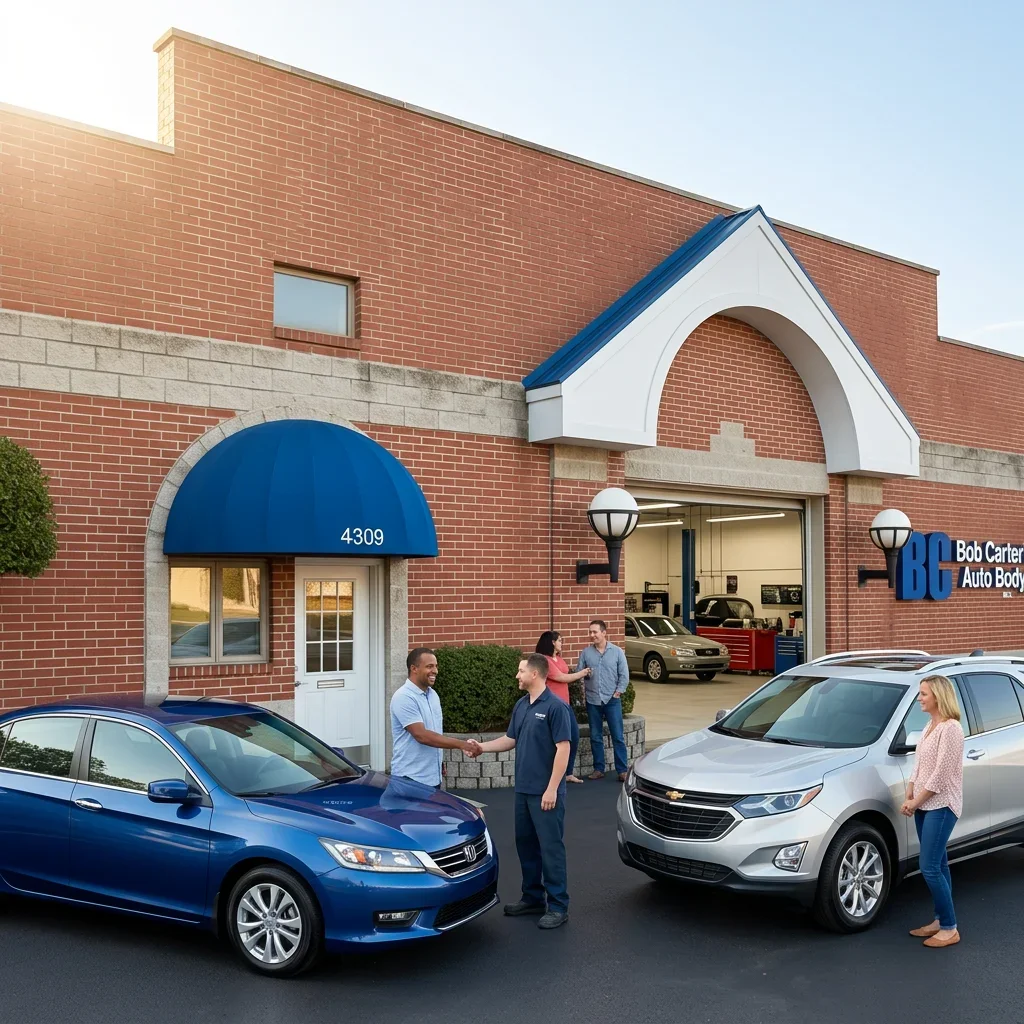
We'll help you restore your vehicle to pre-loss condition. Don't stress! Our I-CAR Gold certified team is ready to help. (630) 852-3578
Conclusion
Put your mind at ease and ensure the job is done right—choose a certified shop, ask about your warranty, and always document everything for a safe, stress-free repair journey.
If you’re ready to take the next step in your repair journey, understanding how to select the best collision repair shop can make all the difference in your peace of mind and the quality of your results. Discover expert tips on evaluating credentials, comparing service guarantees, and ensuring your vehicle receives the highest standard of care by reading this comprehensive guide to choosing the best collision repair shop. Empower yourself with knowledge that goes beyond the basics, so you can confidently navigate every aspect of the repair process and protect your investment for years to come.
Sources
Navigating the complexities of auto body repair can be daunting, but understanding the process and selecting the right professionals can make all the difference.


Write A Comment