

Have you ever wondered if your car’s dents could vanish without a trace—no paint jobs, no evidence, and no costly downtime? Unlock the secrets behind paintless dent removal and discover if it's truly the smart way to fix dents and dings for good.
Unlocking the Truth: How Well Does Paintless Dent Removal Work?
If you've noticed minor dents or dings on your vehicle and want an easy solution, you're not alone. Many car owners ask: how well does paintless dent removal work—and is it actually worth considering for their precious ride? In this guide, we leave no detail unexplored, addressing everything from the science behind paintless dent repair (PDR) to how it stacks up against traditional auto body repair methods. We'll break down real advantages and drawbacks, and show you exactly when this advanced dent repair method shines or falls short. Whether you're dealing with a minor collision, a rogue shopping cart mark, or hailstone dings after a Midwest summer storm, understanding these pro tips will help you choose the right path for your vehicle's appearance and value.
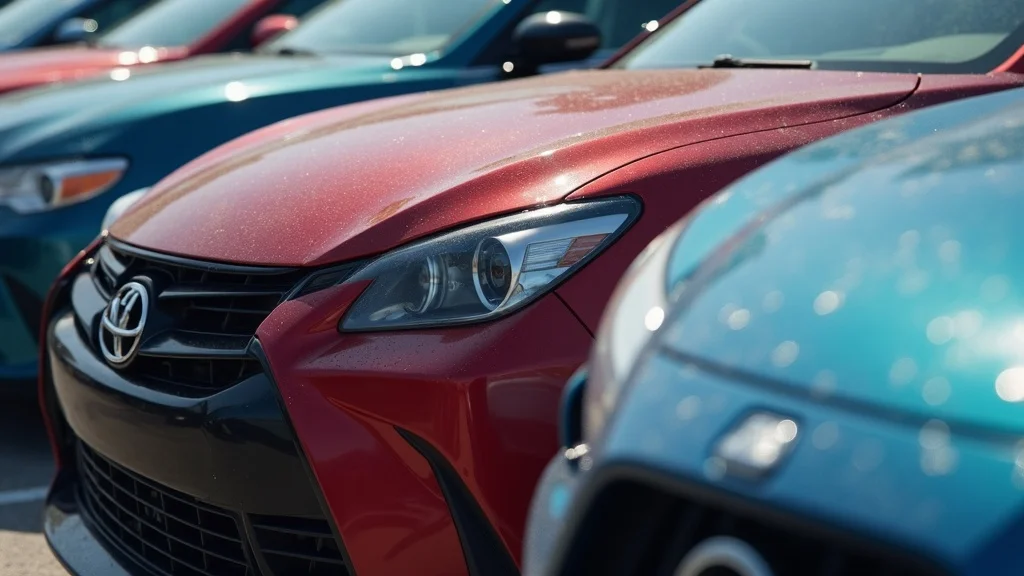
In fact, hail damage is one of the most common reasons drivers turn to paintless dent removal. A single hailstorm can leave dozens—or even hundreds—of small dents across a vehicle’s hood, roof, and trunk. Because hail typically dents metal without breaking the paint surface, PDR is often the most efficient and cost-effective way to restore the vehicle without compromising its factory finish.
The science behind paintless dent removal
Key advantages and drawbacks
How paintless dent repair compares to traditional dent repair
Best scenarios for effective dent removal
Critical tips for optimizing your dent repair experience
Understanding Paintless Dent Removal: The Basics
What Is Paintless Dent Removal and How Does It Work?
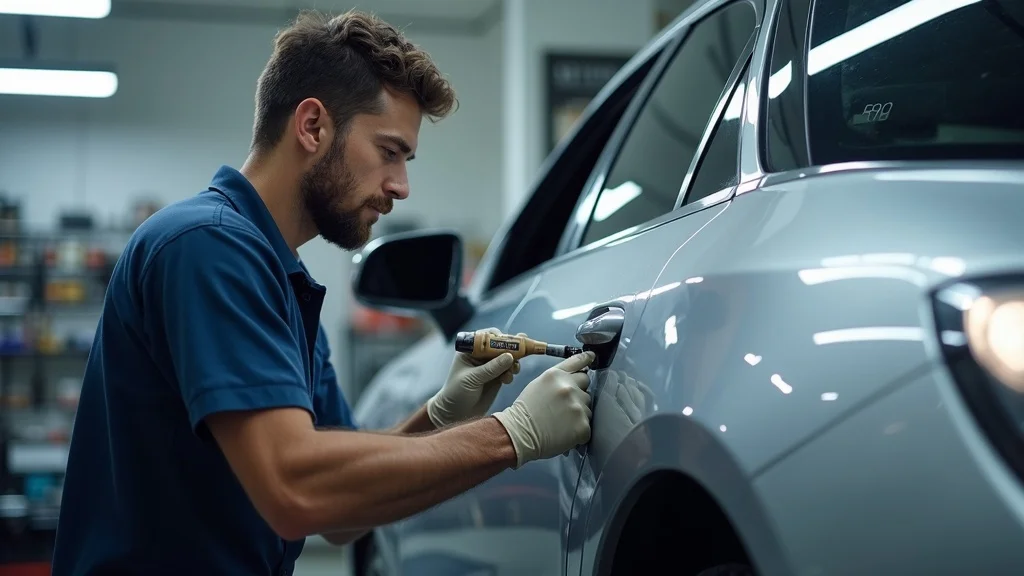
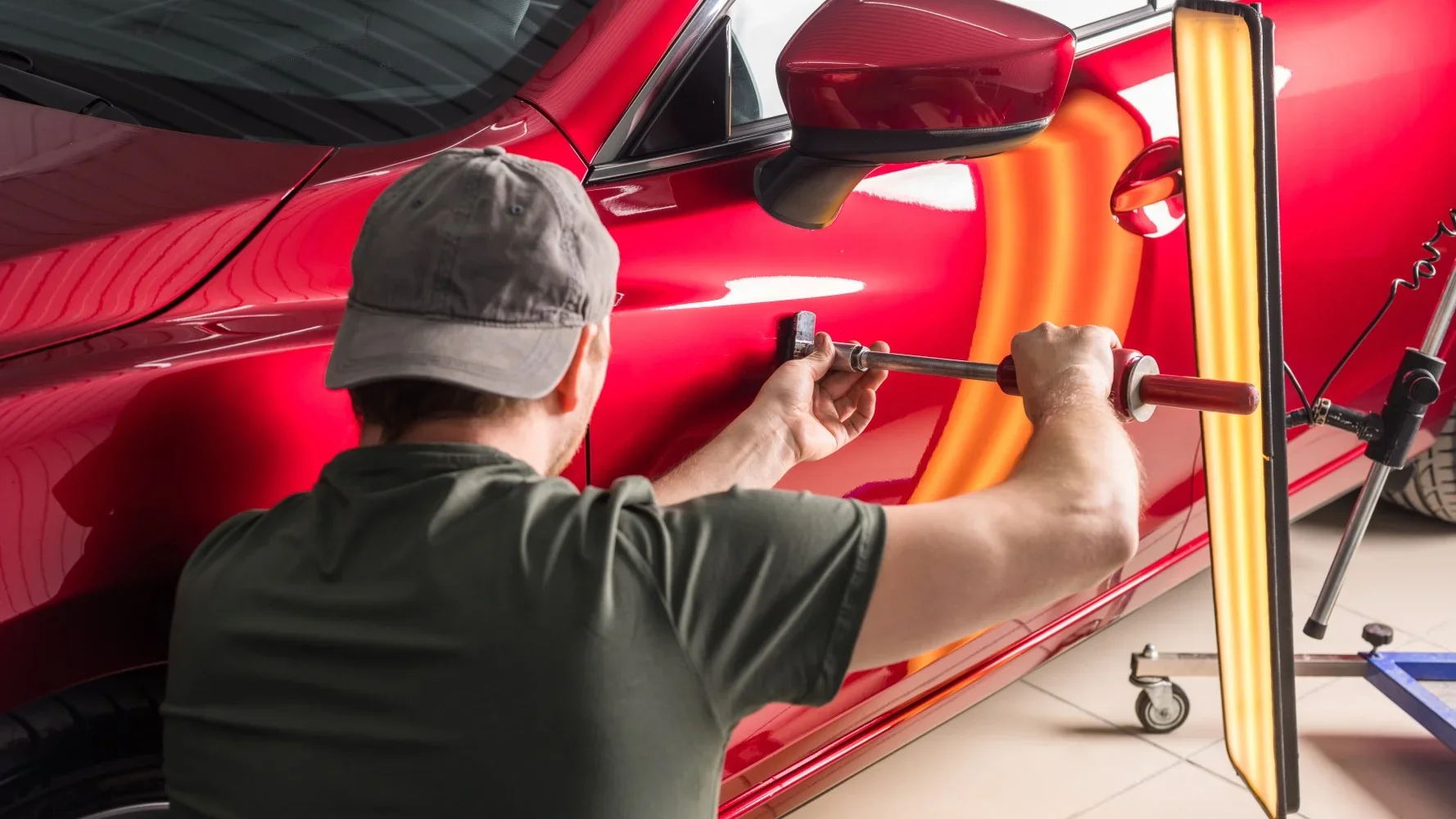
Paintless dent removal, also known as PDR, is a modern dent repair method designed to fix dents and dings on your car without touching the original paint or requiring extensive bodywork. Instead of sanding, filling, or repainting, skilled technicians use specialized rods and tools to gently push the dent out from behind the panel. This approach restores the metal back to its original shape, keeping the paint job intact.
The success of PDR relies on both the flexibility of your vehicle’s panels and the expertise of the technician wielding the tools. Not only does this method save you time, but it also keeps your original paint untouched—meaning less risk of mismatched colors and faster turnaround at the body shop.
The entire process is remarkably efficient for minor dents, hail marks, and collision dings where the paint hasn’t cracked. Hail repair, in particular, is where PDR truly shines. When dozens of small dents are scattered across large panels, traditional repair methods would require filling and repainting entire sections. With PDR, each dent can be carefully massaged back into place, preserving the factory finish and significantly reducing repair time.
By maintaining the integrity of both the metal and the OEM finish, PDR is often considered the gold standard for car owners who value appearance and resale value.
How Does Paintless Dent Removal Compare to Standard Dent Repair Methods?
When it comes to comparing paintless dent removal to traditional repair methods, the difference is clear. Conventional dent repair usually requires sanding, filling, and repainting—steps that inevitably compromise the original paint and can take days, if not weeks, to complete at an auto body shop. This process is more invasive and expensive, especially for small dents or dings. "Paintless dent removal is a game-changer for minor collision repairs—saving both time and money without compromising quality. " – Auto Body Expert. PDR, on the other hand, preserves the factory finish and allows you to keep your original paint intact. It's an environmentally friendly repair method that eliminates the need for costly materials and reduces turnaround to just a few hours. In terms of cost, PDR work is typically much less expensive than traditional repairs, making it a preferred option when the paint is intact and the dent isn’t deep or creased. But for more serious auto body damage or paint that’s already cracked, conventional approaches may be necessary.
If you're interested in a step-by-step breakdown of how to select the right repair shop for your specific dent or collision needs, you might find this guide on choosing the best collision repair shop especially helpful. It covers practical tips for evaluating expertise, certifications, and customer service to ensure your vehicle receives the highest quality care.
How Well Does Paintless Dent Removal Work for Different Types of Dents?
PDR isn’t a one-size-fits-all solution, but it’s impressively versatile. To truly answer how well does paintless dent removal work, it helps to see exactly how this repair method compares in effectiveness, cost, time, and longevity for various types of damage.
Paintless Dent Removal |
vs. Traditional Dent Repair |
|
Criteria |
Paintless Dent Removal |
Traditional Dent Repair |
|---|---|---|
Effectiveness |
Excellent for minor dents, dings, and hail; Maintains factory finish |
Works on all types, including deep/large dents; May not perfectly match original paint |
Cost |
Generally $75–$500 per repair |
$300–$1500+, depending on parts and paint |
Time |
1–3 hours for most jobs |
1–5 days (includes painting, drying) |
Longevity & Value |
Permanent if paint was intact; No value loss from repainting |
Durable, but paintwork may eventually fade/differ from factory finish |
Ideal Situations for Paintless Dent Repair: When Does It Work Best?
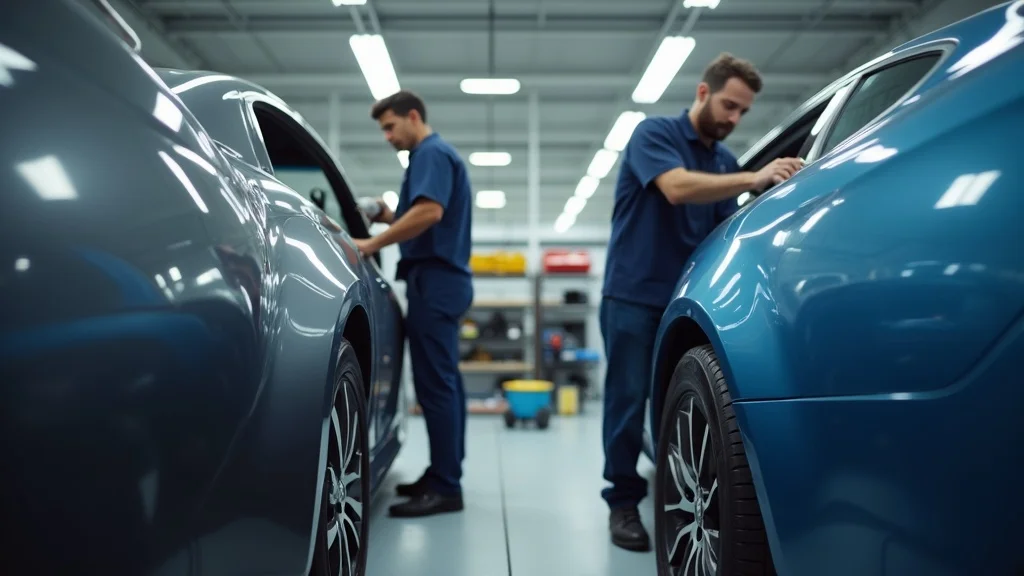
Paintless dent repair works best when the dent is shallow, the paint is intact, and the impact hasn’t caused sharp creases or torn metal. If your car has suffered from hail, minor parking lot dings, or small dents from minor collisions, PDR is likely the perfect repair option. Since the process avoids fillers and respraying, you end up with an undetectable fix—no mismatched paint or surface irregularities. Typical situations where PDR works exceptionally well include:
Hail damage (for shallow, painted dents)
Minor collision dents where the paint isn’t broken
Door dings from accidental bumps (not involving sharp creases or paint breakage)
Creased panels (without metal tears or deep folds)
By acting quickly after a minor impact and choosing a skilled technician, you’ll benefit from a faster, cleaner repair, preserving your car’s appearance and resale value.
Limitations: When Paintless Dent Removal May Not Be the Best Solution
Despite its many strengths, paintless dent removal isn’t suitable for every type of car damage. Deep dents, extensive creases, or any impact that has cracked or chipped the paint cannot be effectively fixed with PDR. The metal must be able to flex back to its original shape for the method to succeed, and painted-over or alloy panels, like those on some trucks or luxury vehicles, may complicate the process further. Skilled technicians can sometimes work wonders, but there are times when traditional dent repair and body shop methods are necessary to restore safety and structure. Whenever a dent occurs on an edge panel or over reinforced braces, PDR work can be limited. Aluminum panels also present a challenge because they aren’t as pliable as steel. If your car’s paint job is already compromised, the repair might require sanding, filling, and repainting to fully restore the appearance and prevent rust.
Pros of Paintless Dent Removal
Choosing paintless dent removal offers several compelling advantages, especially if your goal is to keep the original factory finish and value of your vehicle. See the proven benefits below to decide if this repair method matches your needs.
Preserves original paint—No repainting, no risk of mismatched colors.
Faster turnaround time—Many repairs finished in hours, not days.
Environmentally friendly repair method—No chemical fillers or extra paint.
Lower cost compared to major auto body work—Save money versus traditional repairs.

Cons of Paintless Dent Removal
While PDR is impressive, it does have some drawbacks. First and foremost, it doesn’t work on every dent. Extensive or deep damage, or any dent that’s compromised the paint layer, will require a more intensive repair method. Additionally, results depend heavily on the technician’s skill—less experienced or improperly trained hands can lead to subpar outcomes or even further damage.
Not suitable for deep dents or paint damage
Limitations in aluminum panels or severe collision areas
Requires skilled technicians for optimal results
"Paintless dent repair isn't a one-size-fits-all fix, but it's an excellent choice for the right dent and the right vehicle." – Paintless Dent Technician
People Also Ask
Is paintless dent removal any good?
Paintless dent removal is highly effective for fixing minor dings and car dent issues that don’t breach the paint job. It’s especially valuable for cosmetic repairs from minor collisions or hail, restoring both the look and value of your vehicle quickly. Since it maintains your original paint, there’s no risk of color mismatch, and the fix is generally undetectable. For small dents where the paint is intact, PDR delivers long-lasting, almost invisible results.
How much should I expect to pay for paintless dent repair?
The cost for paintless dent repair typically ranges from $75 to $500 depending on the size, location, and severity of the dent. Factors like the number of small dents and their accessibility can influence the final price. Generally, PDR is far less expensive than conventional repair methods which may require extensive body shop labor and repainting. Get a clear, itemized quote before authorizing repairs for best results.
What are the limitations of paintless dent repair?
There are a few important limitations to consider before choosing PDR. The method is not suitable for deep or sharply creased dents, punctures, or when the paint is cracked or chipped. Aluminum panels, multi-layer steel, and reinforced edges can also make repairs difficult. In such cases, a traditional dent repair or full auto body service might be necessary to safely restore your car.
How long does paintless dent repair last?
When handled by a trained professional, paintless dent removal provides a permanent fix. The repaired area should retain its original shape and look as long as the surface isn’t struck again. Since no fillers or paint are used, you won’t need future touch-ups, and the area will not “pop in” or “pop out” over time. It’s a reliable, long-lasting repair method for minor damages.
FAQs About How Well Does Paintless Dent Removal Work
Can paintless dent removal fix all types of dents?
No, PDR excels with minor dents and dings where the paint is undamaged. It’s not suitable for deep dents, sharp creases, or compromised paint.Are auto body warranties affected?
Most quality auto body shops offer a warranty on PDR work, and using PDR does not typically void manufacturer warranties.Does insurance cover paintless dent repair?
Many insurance policies will cover PDR when the damage results from covered events, such as hail or minor collisions. Always check with your provider before proceeding.
Key Takeaways: Maximizing Your Results from Paintless Dent Removal
Select a certified or experienced paintless dent technician—Expertise is key to a flawless finish.
Act quickly after a minor collision for best results—The sooner you seek repair, the smoother the result.
Consider all repair methods for complex damage—If your dent is deep or paint is chipped, traditional options may be better.
Obtain a detailed estimate before proceeding—Transparency ensures a worry-free experience.

Conclusion: Should You Choose Paintless Dent Removal for Your Dent Repair Needs?
Paintless dent removal offers remarkable benefits when applied to the right type of damage, but understanding its limitations ensures you make the best decision for your vehicle.
If you’re ready to take the next step in protecting your vehicle’s value and want to understand the bigger picture of auto body repair, explore our comprehensive overview on choosing the right auto body repair solution. This resource dives into strategic considerations, from insurance and repair costs to long-term maintenance, empowering you to make informed decisions for every stage of your car’s life. Whether you’re facing a minor dent or a major collision, gaining a broader perspective will help you safeguard your investment and ensure your vehicle always looks its best.
We'll help you restore your vehicle to pre-loss condition. Don't stress! Our I-CAR Gold certified team is ready to help. (630) 852-3578
Paintless Dent Removal (PDR) is a technique that effectively repairs minor dents and dings without compromising your vehicle’s original paint finish. By gently massaging the metal back into place from behind the panel, PDR maintains the factory finish, ensuring the vehicle looks as good as new. (dentheads. com) This method is particularly advantageous for small to medium-sized dents where the paint remains intact, such as those caused by hail or minor collisions. PDR is cost-effective, often saving vehicle owners 50% to 70% in repair costs compared to traditional methods. (protechautoshield. com) Additionally, PDR is environmentally friendly, eliminating the need for harmful chemicals used in conventional dent repair processes. However, PDR has its limitations. It is not suitable for dents with cracked or chipped paint, sharp creases, or damage near panel edges where access is restricted. In such cases, traditional repair methods may be necessary. (plymouthrock. com) In summary, PDR is an efficient and cost-effective solution for repairing minor dents, preserving your vehicle’s original appearance and value. For more extensive damage, consulting with a professional technician will help determine the most appropriate repair method.


Write A Comment