

cropper
update

[Company Name]

update
  • Blog Home
  • Subscribe
  • Contact Us
  • Website
  • Categories
    • Collision Repair 101
    • Choosing The Right Auto Body Repair
    • Collision Repair Cost & Insurance
    • Auto Safety and Accident Prevention
    • Understanding Automobile Technology
  • All Posts
  • Collision Repair Cost & Insurance
  • Choosing The Right Auto Body Repair
  • Collision Repair 101
  • Auto Safety and Accident Prevention
  • Understanding Automobile Technology
8 Minutes Read

Common Questions Customers Ask About Collision Repairs Answered

Ever wondered if you’re truly prepared for your next visit to an auto body repair shop? Whether it’s your first collision or you’re a seasoned motorist, navigating the world of auto body repair can be overwhelming. From understanding insurance claims to knowing what makes a quality repair shop, having the right information can turn a stressful situation into a smooth journey. In this article, you’ll discover clear, actionable answers to the common questions customers ask about collision repairs, equipping you with the know-how to make the best decisions for your vehicle.

Are You Prepared for Your Next Visit to an Auto Body Repair Shop?

Visiting an auto body repair shop after a car accident can be daunting, especially if you aren’t sure what to expect or ask. The truth is, being prepared means more than just bringing your car in—it’s about understanding the repair process, knowing your rights as a customer, and feeling confident in your choices. Just one visit can involve interacting with insurance companies, reviewing written estimates, and making decisions about replacement parts or rental car options. By educating yourself on the most frequent inquiries, you set yourself up for a positive experience and ensure your car gets back on the road safely and efficiently.
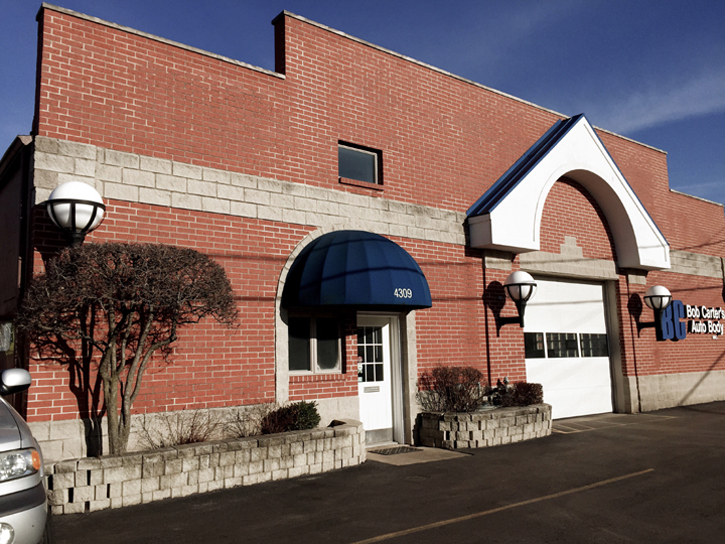
Unlocking Knowledge: What You'll Learn About Common Questions Customers Ask About Collision Repairs

  • The most common questions customers ask about collision repairs

  • How to choose the right auto body repair shop

  • Understanding insurance claims for body repair

  • Tips for evaluating written estimates and repair timelines

  • Ways to ensure your vehicle is restored to pre-loss condition

What Are the 3 C's of Auto Repair? (Common Questions Customers Ask About Collision Repairs #1)

Understanding the 3 C's at Any Auto Body Shop or Collision Repair Shop

Answer: The 3 C’s—Condition, Cause, and Correction—are fundamental principles used by any reputable auto body repair shop to diagnose and resolve your vehicle’s damage. Here’s how they break down: Condition refers to the precise problem you experience or observe, such as a dented fender or chipped paint. The Cause involves determining what led to the damage—like a minor fender-bender or a significant auto collision. Correction is the solution your chosen body repair shop provides: the repairs, parts, and techniques required to restore your vehicle to its pre-loss state. By ensuring the repair shop thoroughly addresses all three C’s, you’re more likely to receive thorough, efficient, and accurate service—which not only guarantees quality work, but also supports lasting peace of mind every time you get back on the road.

When it comes to selecting a repair facility, understanding what sets a reputable shop apart can make all the difference. For a deeper dive into the essential factors to consider when choosing the right auto body repair shop, explore this comprehensive guide on how to evaluate and select a collision repair provider that meets your needs.

What Are Common Questions Heard at an Auto Body Repair Shop?

Addressing Customers' Frequently Asked Questions About Collision Repair
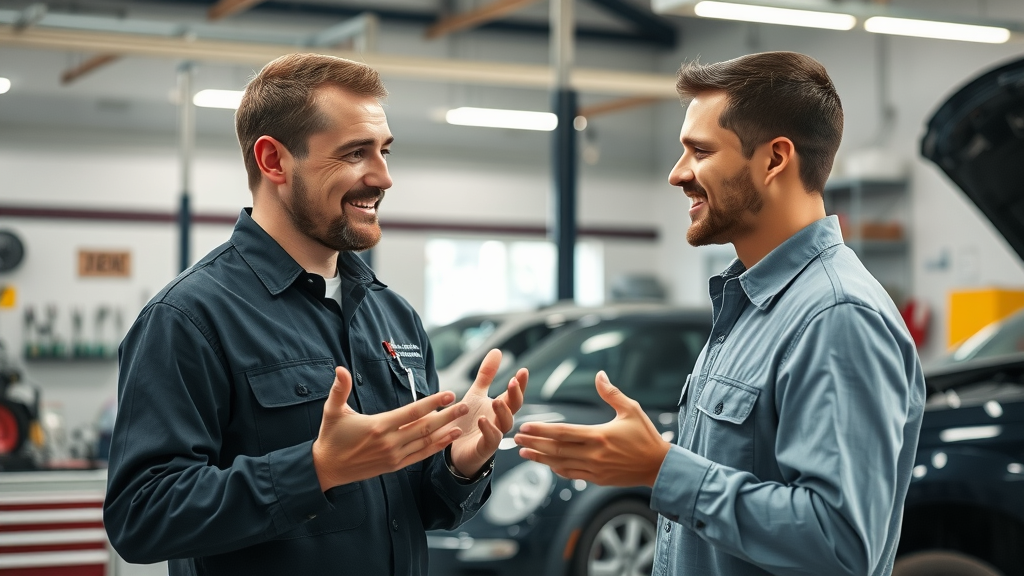
curious customer speaking with professional collision repair technician inside a clean body repair shop, learning about collision repair process

Answer: Customers walk into an auto body repair shop with a number of valid concerns—and the most common questions customers ask about collision repairs revolve around timing, cost, parts, and repairs. “How long will this repair take?” “Will my insurance cover the cost?” “Are genuine parts being used?” and “Will the paint color match?” All these questions ensure you're confident in what’s happening to your vehicle and how quickly it can safely get back on the road. Reputable body shops take the time to explain each step of the process, providing written estimates and clear communication so there are no surprises. Whenever you’re at a collision repair shop, never hesitate to ask—you deserve all the details before moving forward with repairs.

What Do Customers Want in an Auto Body Repair Shop?

Key Factors You Should Look for in a Collision Repair Shop

Answer: Most drivers want the same things from their collision repair shop: honesty, reliability, and convenience. Transparent estimates that clearly outline the cost of labor and parts are crucial for your peace of mind. Certified technicians ensure the repairs are up to industry and manufacturer standards, while prompt, friendly communication is a sign of good customer service. Many customers also look for rental car assistance so their daily life isn’t interrupted, along with warranties that guarantee quality work. Ultimately, a top-notch body repair shop combines expertise with trustworthiness, ensuring you receive safe, long-lasting repairs you can depend on.

What Is the Rule of Thumb for Car Repair at a Collision Repair Shop?

Estimating Costs and Timelines for Collision Repair and Body Repair

Answer: The general rule is that minor dent repair can be completed in just a few days, while more significant collision repairs involving multiple body panels or structural components often take a week or longer. Your car’s make and model and the extent of the damage play a big role in how soon your repairs will be finished—exotic or less common vehicles may take longer due to parts availability. This is why every reputable auto body repair shop provides a detailed written estimate outlining the expected timeline and any potential hurdles. Staying informed about the repair process from start to finish ensures you know exactly when you can expect to get your car back and keep life moving smoothly.
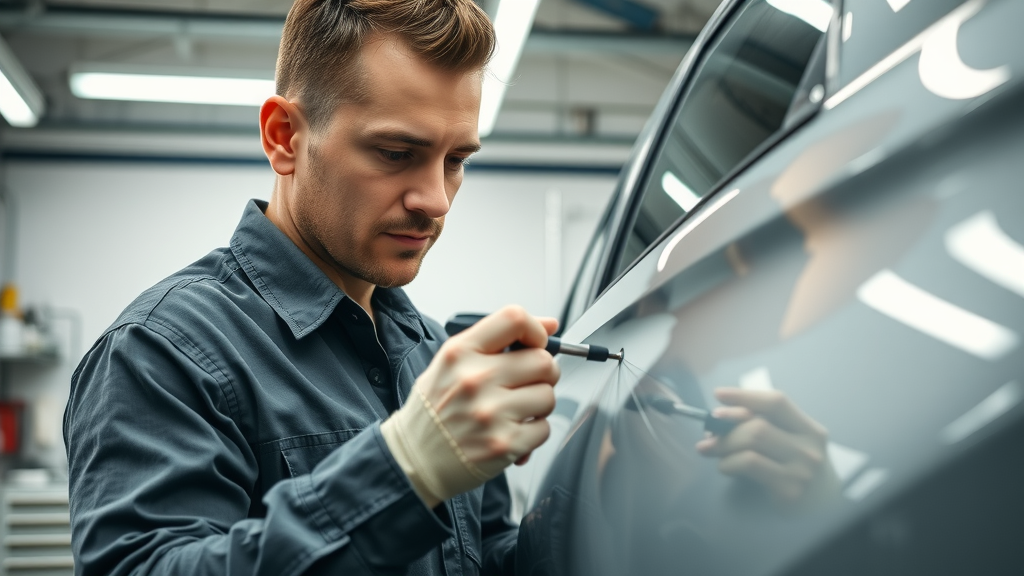
professional technician repairing dent on car panel with specialized tools inside an auto body repair shop

Top Common Questions Customers Ask About Collision Repairs and Their Quick Answers

Question

Quick Answer

Are genuine parts used for auto body repair?

Reputable body repair shops use OEM or quality aftermarket parts.

Will my paint repair match the rest of the car?

Paint is color-matched using advanced technology at most auto body shops.

Is a rental car provided during collision repair?

Rental car options are available, often depending on insurance coverage.

How Does an Insurance Claim Affect Collision Repair at an Auto Body Repair Shop?

Navigating Insurance and Written Estimates for Body Repair

Answer: Handling an insurance claim can feel intimidating, but a quality auto body repair shop will guide you every step of the way. At Bob Carter’s Auto Body, we coordinate directly with your insurance carrier, submitting written estimates and providing the documentation required to get repairs authorized quickly. We’ll help you understand exactly what is covered, what you may be responsible for, and how to keep the claims process moving without unnecessary delays. Whether it's body repair, paint repair, or dent repair, we make sure insurance guidelines are met and your out-of-pocket costs are minimized, making the process as seamless as possible for you.

How Can You Assess the Quality of Work at a Body Repair Shop?

Signs of Trustworthy Auto Body Repair and Tips for Choosing the Right Shop

  • Industry certifications and warranties

  • Positive customer reviews

  • Transparent pricing for dent repair and paint repair

  • Clean facility and knowledgeable staff

When choosing an auto body repair shop, look for visible certifications (like I-CAR Gold or ASE), which show a commitment to ongoing technician training. Check online reviews—consistent praise for transparency and quality work is a great sign. Get a detailed written estimate, and ask about warranties offered on both parts and labor. A well-maintained, tidy shop with friendly, informative staff is often a reflection of careful, professional work.
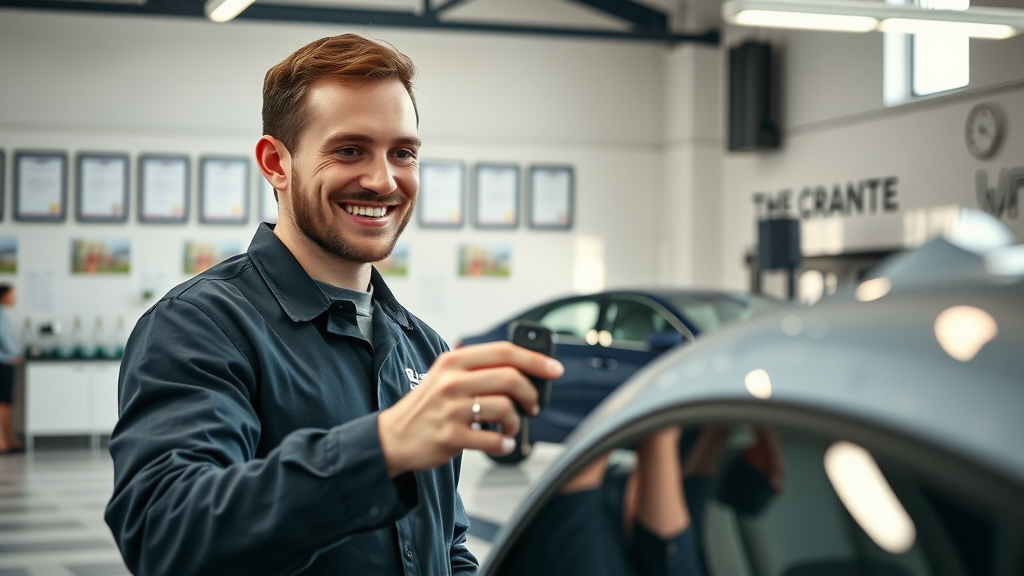
smiling customer examining their finished car in a spotless auto body repair shop with technician and certificates visible

What Should You Bring to the Auto Collision Repair Appointment?

Documents and Information to Prepare for Your Body Shop Visit

  • Insurance claim number

  • Vehicle registration and identification

  • Photos of the damage

  • Any previous written estimates

Arriving well-prepared at your auto body repair shop helps the process move quickly and efficiently. Your insurance claim number ensures the collision center can coordinate directly with your provider. Bringing vehicle registration and ID proves ownership, while having photos of the damage helps technicians and adjusters see any “before” conditions. If you’ve already gotten written estimates from other collision repair shops, bringing them to your appointment can help build trust and expedite approval. Being thorough increases your chances of a fast, straightforward repair experience.

How Long Does Paint Repair or Dent Repair Take at an Auto Body Shop?

Repair Shop Timelines for Body Repair Based on Damage Severity

Answer: Minor paint repairs and dent repairs are commonly finished within 1–3 days at a qualified body shop or collision center. However, if the extent of the damage is greater—the result of a high-impact accident or there’s structural involvement—expect completion to take several days to a week, or even longer if rare replacement parts are ordered. Supplemental damage found during the repair process may extend the timeline, but experienced technicians will keep you updated with revised written estimates. The more transparent your repair shop, the more easily you’ll know exactly when your car is ready and safe to drive.

Is My Vehicle Safe to Drive After Collision Repair?

Safety Considerations After Leaving the Collision Repair Shop

Answer: Any reputable auto body repair shop will make your safety their top priority. At Bob Carter’s, we conduct thorough post-repair inspections using procedures required by leading certifications like I-CAR Gold. Whenever extensive body repair or structural work is done, test drives and function tests guarantee your car meets manufacturer standards and all repairs are complete. We’ll even confirm the safe operation of airbags and other safety systems—helping you drive away with confidence and peace of mind that your vehicle is roadworthy.

Can I Use Any Body Shop or Do I Have to Use the Insurance Company's Recommended Collision Repair Shop?

Freedom of Choice in Selecting an Auto Body Repair Shop

Answer: It’s your right to select any licensed repair shop you trust—regardless of the insurance company’s referral. While insurers may recommend certain collision repair shops in their network, you’re never obligated to use them. Instead, focus on a body shop known for its expertise, certification, and customer reviews. Take the time to compare services, ask direct questions about their repair process, and decide based on what will truly restore your vehicle to the highest standard.

What Happens If Additional Damage Is Found During Body Repair?

How Repair Shops and Insurance Companies Handle Unforeseen Damages

Answer: Sometimes, technicians uncover extra damage once they start repairing your car after a collision. When this happens, your auto body repair shop will contact both you and your insurance provider to submit a supplemental written estimate. This ensures every problem is corrected—leaving no surprise costs at the end of service and guaranteeing every aspect of the repair is up to par with industry standards and manufacturer recommendations.
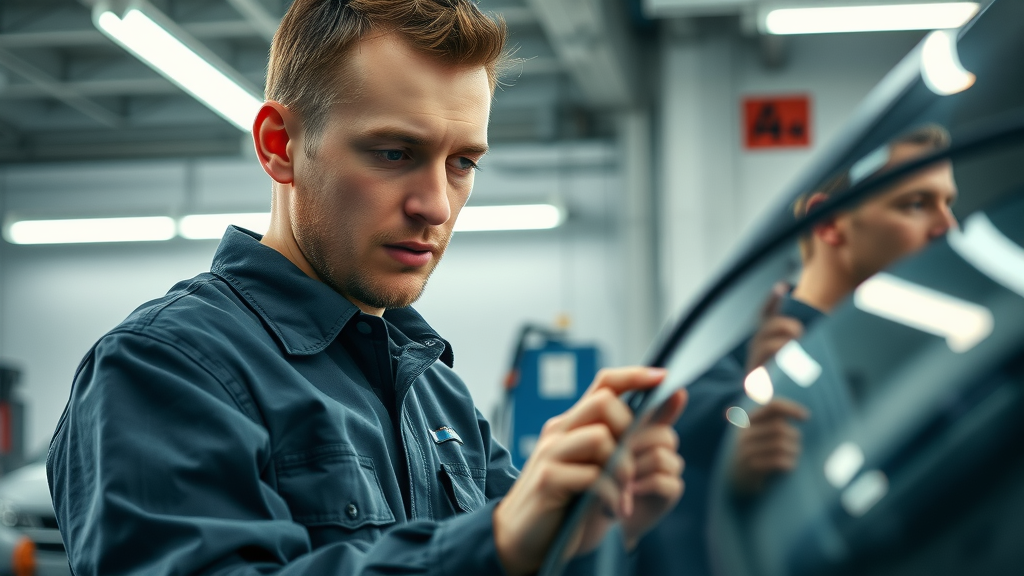
auto mechanic using diagnostic equipment on vehicle inside a well-lit service bay, ensuring collision repairs protect vehicle warranty

Quotes: Insights from Collision Repair Experts

"Customer service is our top priority. Feel free to call us anytime with questions about the repair process. We are happy to walk you through the process." — Mike Carter, owner of Bob Carter's Auto Body, Downers Grove IL, an I-CAR Gold Certified Collision Repair Shop

Top Tips About Collision Repairs

confident car owner driving newly repaired vehicle after collision repair, safe to drive and satisfied
  • Always clarify the details of your insurance claim with your chosen body repair shop.

  • Do not hesitate to compare written estimates between collision repair shops.

  • Genuine OEM parts and certified technicians lead to safer, more durable repairs.

  • You’re entitled to choose your preferred auto body shop for collision repair.

Conclusion: Removing the Uncertainty from Collision Repairs

Navigating auto body repair after a collision can be complex, but by being informed about the common questions customers ask about collision repairs, you ensure a more confident and reassuring experience.

Ready to Get Your Car Back on the Road? Contact Our Collision Repair Shop Today

Click Here To Learn More — We’ll help you restore your vehicle to pre-loss condition. Don’t stress! Just come see us.

Call Bob Carter's Auto Body At (630) 852-3578

By consulting these resources, you’ll gain valuable insights into the collision repair process, empowering you to make informed decisions and ensuring your vehicle is restored to its pre-loss condition.

Collision Repair 101

739 Views

0 Comments

Write A Comment

*
*
Please complete the captcha to submit your comment.
Related Posts All Posts

Struggling with auto body repair? Here's the fix now

Imagine you’re staring at your car after a fender bender—frustrated, confused, and unsure whether it needs a simple paint touch-up or full collision repair. Auto body repair can feel overwhelming, but it doesn’t have to be. Whether you’re a car owner, fleet manager, or insurance adjuster, knowing the repair process and your options puts you back in control. This step-by-step guide makes auto body repair straightforward, so you can get your vehicle back on the road safely without added stress.Facing Auto Body Repair Challenges: Why This Guide MattersAuto body repair isn’t just about fixing dents and scratches—it’s about restoring your vehicle’s safety, value, and appearance after damage. Today’s vehicles involve complex structures, advanced materials, and high-tech systems, meaning even minor collision repair can have big consequences for long-term safety and performance. This guide is crafted for everyone who’s ever felt lost after an accident or simply wants to make the repair process seamless. We’ll break down what to expect at every step, how to evaluate a body shop, and what it takes to return your car to pre-loss condition with confidence.Understanding the Common Issues in Auto Body RepairThe most common issues drivers face after a collision often go beyond obvious dents or shattered panels. There could be hidden frame misalignments, issues with advanced driver-assist sensors, or mismatched paint repairs if not handled by a skilled auto body shop. Sometimes, a simple bumper dent reveals further damage months ago that wasn’t caught until now. “Most car owners underestimate the complexity of even minor collision repair. ” Choosing qualified repair facilities is crucial to ensuring repairs go beyond cosmetic fixes. A professional body shop blends craftsmanship with modern diagnostic technology, ensuring not just appearance but also your ongoing safety and satisfaction.What You’ll Learn About Auto Body RepairIdentify essential auto body shop proceduresNavigate the full collision repair process confidentlyAssess when to choose a professional body shopUnderstand back on the road timelinesKnow your options on lifetime warranty coverage What is Auto Body Repair?Defining Auto Body and Its Role in Collision RepairAuto body repair is the specialized field focused on restoring your vehicle’s outer structure and overall integrity following any damage, whether from a collision, hail, or simple wear and tear. The auto body—the sheet metal, bumpers, fenders, hoods, and trim—serves both protective and aesthetic roles. When these parts are compromised, a professional auto body shop is equipped to restore not just your car’s appearance, but also its manufacturer-intended safety features. Collision repair is a detailed process involving assessment, structural straightening, and matching paint repair to original finishes, ensuring your car returns to the road safely and looks as good as new. These shops work closely with insurance carriers and adjusters to streamline the repair process and guarantee results.As you consider the intricacies of modern collision repair, it's important to recognize how advanced driver assistance systems (ADAS) can impact both the assessment and repair process. For a deeper look at how these technologies influence repairs and what to watch for, explore how advanced driver assistance systems affect collision repair and why specialized expertise matters.Step-by-Step Auto Body Repair ProcessInspection and Damage Assessment: An expert technician begins with a thorough inspection, using modern diagnostic tools to identify both visible and hidden damage. This step is crucial, as issues like frame distortion or sensor misalignment may not show up at first glance. A detailed assessment produces an itemized repair plan, which is then shared with you and often your insurance company to ensure everyone’s on the same page.Disassembly and Body Shop Planning: With the plan approved, the damaged areas are carefully disassembled by the auto body shop technicians. This process exposes any underlying problems that may have occurred months ago, like rust or weaknesses, which can be addressed immediately. Strategic planning at this stage ensures repairs go smoothly, parts are matched, and downtime is minimized.Frame and Structure Straightening: If the damage affects your car’s structure, specialized alignment equipment is used to restore the original dimensions. This is vital for post-repair safety, as even slight frame distortions can impact how your vehicle performs in the event of another accident. Quality repair facilities use I-CAR Gold standards to ensure precision.Surface Preparation and Paint Matching: Any exposed surfaces are repaired and prepped, with dents filled and panels smoothed. Advanced paint repair techniques involve digital color matching, so your vehicle returns to you with a seamless finish. The best shops use paint repair facilities with negative pressure booths to ensure a dust-free, high-gloss result.Panel Replacement and Collision Repair: Damaged panels are replaced with OEM or quality-tested alternatives. All collision repair is performed with attention to underlying systems, so features like airbags, sensors, and advanced safety tech remain reliable.Reassembly, Detailing, and Final Quality Checks: Once repairs are complete, the vehicle is carefully reassembled. A comprehensive quality control checklist is followed, including visual inspections, system diagnostics, and a post-repair road test. Customer satisfaction is ensured before you’re cleared to drive away, free of charge from worry.Selecting the Right Auto Body ShopHow to Evaluate a Body Shop for Quality RepairsChoosing the right auto body shop makes all the difference in your overall experience and the quality of the repairs. Start by verifying their credentials, especially their I-CAR Gold status—a sign they meet the highest standards for training and equipment. Look for recent reviews, check if they work with your insurance carriers, and ask for before-and-after photos from recent jobs. Quality repair facilities invest in advanced paint repair facilities, use genuine parts, and strive to make the repair process as transparent as possible. Taking these steps ensures your vehicle is repaired to manufacturer specs, protecting its value and your safety.The Importance of I-CAR Gold Certification in Collision RepairI-CAR Gold is an industry-recognized certification that signals a shop’s deep commitment to safety, ongoing education, and excellence. If your chosen auto body shop is I-CAR Gold certified, you can be confident they’re fully trained on the latest technologies, repair procedures, and vehicle materials. This means peace of mind for you—your car repaired to exacting standards, minimizing hidden risks from improper collision repair that might show up months ago. Always prioritize certified shops when it comes to restoring your vehicle’s function and appearance.Questions to Ask Before Committing to an Auto Body ShopBefore turning over your keys, ask a few key questions to ensure your provider stands behind their work. Do they offer a written limited lifetime warranty? What kind of materials and paint systems will be used? Will you have a primary point of contact throughout the process? Can they demonstrate previous customer satisfaction on collision repair jobs like yours? Finally, clarify if they’ll work directly with your insurance to streamline the repair process and get you back on the road safely. These questions improve transparency and confirm you’ve chosen a quality repair facility for your needs.Getting Back on the Road After an AccidentRepair Process Timelines: What to ExpectTimelines for auto body repair can vary, often depending on the repair facilities, the extent of the damage, and parts availability. Generally, minor paint repair or panel replacement takes just a few days, while more significant collision repair, especially involving structural work, can take a week or more. A reputable auto body shop will keep you updated throughout, striving to make the process as quick as possible without compromising quality. They’ll also help coordinate rental cars or shuttle services if needed—ensuring you’re never far from getting back on the road safely.Coordinating with Insurance and ClaimsMost major insurance carriers have established relationships with certified body shops, which can streamline the repair process and help with paperwork. The shop may act as a liaison, submitting repair estimates, photos, and paperwork directly, making your insurance claim faster and less stressful. Always verify your policy and check if you have options to choose your preferred facility, rather than being limited to one suggested by the insurance company. This ensures your repair needs and personal standards for quality repair are prioritized.Understanding Lifetime Warranty Coverage in Auto Body RepairWhat Does a Lifetime Warranty Cover?A lifetime warranty, often provided in writing by leading auto body shops, covers repairs for as long as you own the vehicle. Typically, this includes protection against defects in workmanship, paint repair, and certain replacement parts. It means you can return to the same shop, even months ago from a previous repair, and have issues fixed free of charge if related to their original work. Always read the fine print—some coverage is limited, and you may need to return to the original facility for service.Steps to Activate and Maintain Warranty BenefitsTo activate and maintain your written limited lifetime warranty, follow the instructions outlined by the body shop. This may include retaining your service receipts, adhering to recommended maintenance, and ensuring your paint repair or collision work isn’t altered by a different shop. In the event of a problem—say, paint starts bubbling or a panel doesn’t align—contact the shop immediately. They’ll investigate and typically repair your vehicle free of charge, provided it falls under the original warranty’s terms. Being proactive ensures your investment is protected long after the repair process is finished.People Also Ask: Quick Answers to Common Auto Body Repair QuestionsHow much to repair body work on car?The exact amount to repair body work on a car depends on the extent of the damage, vehicle make, and the complexity of the repair process required. Minor paint repairs and surface work could be relatively affordable, while extensive collision repair involving frame or multi-panel work will cost more. For an accurate estimate, visit a certified auto body shop for a thorough inspection. Most shops will provide our customers with a detailed quote and work directly with insurance carriers to determine covered expenses. Always ask if your shop offers a written limited warranty on workmanship and materials.Frequently Asked Questions About Auto Body RepairHow do I know if my car needs a professional auto body shop?If your vehicle has sustained anything beyond the smallest surface scratches, or if sensors, frame, or airbags are involved, a professional auto body shop is essential. Their technicians use diagnostic tools and certified repair processes to ensure safety systems are restored to manufacturer specifications.Can I perform minor collision repair at home?While it’s possible to handle very light paint repair or scratch removal at home, any work involving structure, sensors, or airbag systems should be left to professionals. DIY attempts can void warranties and may miss hidden damage, risking your safety and costing more down the road.What should I look for in a quality body shop?Choose a shop with I-CAR Gold certification, excellent customer reviews, and a written limited lifetime warranty. Ask about their quality control process, equipment, and if they work with the largest insurance carriers to streamline your claim and back on the road experience.Do insurance companies recommend specific auto body shops?Many insurance carriers maintain direct repair networks of trusted shops known for quality repair and customer satisfaction. However, you have the right to choose your repair facility—even if your insurer suggests another provider. Confirm your coverage and preferences before committing.Key Insights for Safe and Reliable Auto Body RepairThorough inspection is vital for long-term vehicle safetyChoose shops with certified collision repair professionalsAsk about lifetime warranty and what it coversDocument everything for insurance and future reference Ready to Restore Your Vehicle?We'll help you restore your vehicle to pre-loss condition. Don't stress! Our I-CAR Gold certified team is ready to help. (630) 852-3578ConclusionPut your mind at ease and ensure the job is done right—choose a certified shop, ask about your warranty, and always document everything for a safe, stress-free repair journey.If you’re ready to take the next step in your repair journey, understanding how to select the best collision repair shop can make all the difference in your peace of mind and the quality of your results. Discover expert tips on evaluating credentials, comparing service guarantees, and ensuring your vehicle receives the highest standard of care by reading this comprehensive guide to choosing the best collision repair shop. Empower yourself with knowledge that goes beyond the basics, so you can confidently navigate every aspect of the repair process and protect your investment for years to come.SourcesI-Car – https://www.i-car.com/Collision Repair Magazine – https://www.collisionrepairmag.com/Consumer Reports: Car Repair & Maintenance – https://www.consumerreports.org/cars/car-repair-maintenance/Navigating the complexities of auto body repair can be daunting, but understanding the process and selecting the right professionals can make all the difference.

Avoid Costly Errors in Your Collision Repair Estimate!

Did you know over 60% of car owners end up overpaying for collision repair simply because they missed key details in their repair estimate? Don’t become another statistic. Navigating a collision repair estimate shouldn’t add to the stress of having your vehicle damaged — but a single overlooked item can drive up your costs and keep you off the road longer than necessary. This guide will walk you through the collision repair estimate process, highlight costly pitfalls, and show you how to make sure your auto repair is done right the first time. Whether you’ve had a fender bender or a major accident, understanding your repair costs and working with reputable experts is your best insurance against unnecessary expenses. What You'll Learn About Collision Repair EstimatesNavigating collision repair can be overwhelming, but with the right information, you’ll sidestep the most common errors and feel confident in your decisions. By reading this article, you’ll understand what goes into your collision repair estimate, how to identify reputable auto repair shops and collision centers, and why comparing estimates can save you significant money and time. Our goal is to empower you with knowledge, so you can avoid the hidden traps that lead to expensive repair costs and unnecessary delays.The essentials of a collision repair estimateHow to avoid common mistakes in your repair estimateThe role of a collision center and certified professionalsHow to compare auto repair and repair costsFrequently asked questions about repair estimatesWhy Proper Collision Repair Estimates Matter: Startling Facts and Industry Insights“Many drivers pay more for collision repair than necessary simply due to avoidable estimate errors. Understanding the process is the first step to savings and safety.”A collision repair estimate is more than just a list of potential charges — it serves as your roadmap to restoring your vehicle to pre-accident condition. Without a transparent and detailed estimate, you risk hidden fees, incomplete repairs, or even safety issues. Industry reports show that unaddressed estimate errors can tack hundreds (sometimes thousands) onto your final bill, especially if you rely on an estimate without reviewing the details. Taking control of your repair process from the start means you’ll avoid expensive surprises and guarantee your car repair meets safety standards. Understanding the Collision Repair Estimate ProcessGetting an accurate collision repair estimate starts with understanding how reputable auto repair and body shop professionals assess damage. After an accident, most shops will perform a detailed visual and sometimes digital inspection of your vehicle. They identify all visible and potential hidden damage, using advanced diagnostic tools and years of expertise. The estimate they produce will outline not just the cost to fix dents and scratches, but also labor rates, replacement parts, paint, finishing, and any necessary diagnostics. Reviewing this process helps you spot “too good to be true” free estimates and avoid costly omissions before work ever begins.Don’t hesitate to ask for an explanation of any line item you don’t understand in your repair estimate. Highly rated auto repair and collision centers encourage questions and will clarify why certain repairs are necessary for your safety and your vehicle’s value. A transparent process ensures nothing is left off your estimate, and that you’re only paying for necessary repairs — nothing more, nothing less.While understanding the estimate process is crucial, it's equally important to consider how accident prevention and safe driving habits can reduce your risk of future collisions. For practical tips on staying safe behind the wheel and minimizing the chances of needing repairs, explore our guide on auto safety and accident prevention.What Is a Collision Repair Estimate?A collision repair estimate is a detailed, itemized breakdown of what needs fixing on your car after an accident, how it will be repaired, and what you can expect to pay. This document is essential for both you and your insurance company, as it outlines the full scope of auto body and auto repair work — from dent removal and painting to complex sensor recalibrations. Estimates are created by experienced estimators at a body shop or collision center, using digital tools and parts catalogues to quote labor, parts, and materials needed to restore your car safely and efficiently.Providing accurate information—like clear photos of your vehicle damage and vehicle details (make, model, year, VIN)—helps the shop create the most precise auto body shop estimate possible. It’s always smart to get your estimate in writing. Not only does this help avoid confusion if questions arise later, but it also gives you a reference point when comparing other repair estimates.Key Components Factored Into Your Auto Repair EstimateEvery thorough collision repair estimate breaks down costs into key categories. Knowing these helps you compare different estimates and understand charges for your car repair:Labor and material costsParts replacement or repair costPaint and finishingDiagnostics and testingBody shop feesLabor covers technician time for body or mechanical repairs, while material includes paints, sealants, and shop supplies. Parts may be OEM or aftermarket replacements, and paint cost reflects prepping, color-matching, and finishing. Advanced diagnostics can uncover hidden problems, ensuring no costly issues go unresolved. Lastly, reputable collision centers include shop fees for tools, equipment, and administration, ensuring warranty and quality standards are met. Common Mistakes to Avoid in Collision Repair EstimatesEven a single mistake in your collision repair estimate can mean the difference between a smooth repair and a stressful, expensive experience. Many drivers make missteps simply because they're unaware of what to look for, or they’re eager to get back on the road. Let’s break down the most frequent errors to watch out for so you don’t end up paying for someone else’s oversight.Working with a reputable collision center makes it much less likely you’ll encounter these pitfalls. Rushed auto repair shops sometimes skip thorough damage checks, miss hidden problems, or tack on unnecessary charges that drive up your repair cost. Here’s how to avoid falling into common traps:Overlooking Repair Costs Beyond Surface DamageSome estimates focus only on the visible damage, like scratches or dents, but overlook issues beneath the surface — think sensor misalignments or hidden frame damage. Modern cars are packed with technology, and a low estimate that skips diagnostics could leave major safety hazards unchecked. For a complete body repair estimate, demand that your shop checks core safety systems and not just cosmetics. Thorough shops will always recommend pre-repair diagnostics to identify everything that needs fixing.Always request a clear explanation for every repair item. This protects you from unexpected increases and ensures your auto body repair delivers true peace of mind. Your goal: a finished car that performs as well as it looks.Relying Solely on the First EstimateFree estimates are tempting, but the first shop you visit might not offer the most detailed or accurate quote. Quick, low-ball estimates can miss critical fixes — leading to expensive repair delays, or worse, driving away with safety issues. Request at least two or three written estimates from reputable collision centers or auto repair shops. This comparison gives you better negotiating power and helps expose any corner-cutting or overcharging.Remember, a quality repair estimate should be transparent — listing specific repairs, parts brands, and warranty details. Don’t settle for vague or incomplete estimates that leave you guessing about the final repair costs.Ignoring the Importance of a Reputable Collision CenterNot all body shops or collision centers have the same training, tools, or commitment to quality. Some uncertified shops try to win your business with low price or “quick fix” promises, but cut corners on materials, safety checks, or even skip vital steps. Choosing a certified or recommended collision center protects both your wallet and your car. Look for industry certifications (like I-CAR Gold Class), published reviews, and clear warranties. It’s a small investment in your car’s safety — and your own peace of mind.Think long-term. The right shop repairs your car right the first time, saving you from future expensive repair jobs or insurance complications. Comparing Collision Repair Costs: How to Make an Informed DecisionWhen your car needs major work, don’t rely solely on a single repair cost number. Each collision center and auto body shop structures their estimates slightly differently. By comparing itemized repair estimates, you’ll quickly identify any outliers — estimates that seem suspiciously low might skip essential labor, while very high quotes may reveal overcharging or padded fees.Focus your comparison on the major drivers of cost: labor rates, parts (OEM vs. aftermarket), shop fees, and any included guarantees or certifications. Pay close attention to details like whether a shop recalibrates sensors, matches factory paint, or offers post-repair inspections. Spending a few extra minutes on this step could save you hundreds over the repair process.Collision CenterLaborPartsGuaranteesCertificationsShop A$65/hourOEM PartsLifetime on labor, 2 years on partsI-CAR GoldShop B$55/hourAftermarket Parts1-year warrantyASEShop C$70/hourOEM & Aftermarket MixLifetime on labor and paintI-CAR Gold, MfrUse this table format as a template: fill in the details from each shop, then weigh your options. Labor rates and warranty coverage can make a big difference to your long-term satisfaction.Why Choose an I-CAR Gold Certified Collision Center for Your Auto RepairI-CAR Gold certification is the industry’s highest standard for collision repair training and quality. Certified centers must meet ongoing training requirements, use advanced equipment, and follow strict auto body repair protocols. When you choose an I-CAR Gold collision center, you know your car will be repaired safely, accurately, and in compliance with manufacturer and insurance standards.These shops also deal directly with leading insurance companies and automakers, using the latest repair technologies and parts for your specific make and model. This means fewer callbacks, better paint matching, and safer, longer-lasting results on every repair.Benefits of Working with Certified ProfessionalsUp-to-date repair trainingAdvanced equipment useIndustry-standard safety practicesQuality guaranteesCertified professionals provide peace of mind that your car repair job is done right. This expertise not only protects the value of your vehicle, but can also help maintain your warranty and fulfill the requirements of major insurance companies. Watch our quick explainer video below: Learn from industry experts how to review your estimate for hidden charges, what paperwork to ask for, and see real examples of common repair estimate differences — all in under three minutes!People Also Ask: Answering Your Collision Repair Estimate QuestionsHow do collision repair estimates help control the cost to repair?AnswerA collision repair estimate is your best financial safeguard after an accident. It helps you, your insurer, and your repair facility agree on what needs fixing, why each repair is necessary, and what you should expect to pay. Estimates vary among auto body shops and collision centers because of differences in labor rates, access to OEM or aftermarket parts, diagnostic thoroughness, and warranty coverage. Always provide detailed photos of your vehicle damage and any relevant accident reports to ensure your estimate is as accurate as possible. And remember, choosing a reputable, certified shop is your smartest move for avoiding hidden repair costs and ensuring long-term peace of mind.FAQs About Collision Repair EstimatesHow long does a collision repair estimate typically take?Most estimates can be completed within 30–60 minutes, depending on the extent of vehicle damage and the complexity of your repair needs. Shops that offer quick “drive-by” estimates may miss hidden issues, so always allow time for a thorough assessment.What information should I provide for the most accurate repair estimate?You’ll get the best estimate by sharing your vehicle’s VIN, detailed photos of the damage, your contact info, and a description of how the accident occurred. Some auto body shops let you upload photos online to make the process more convenient.Can repair costs vary between different auto repair shops?Yes — repair costs can vary significantly due to labor rates, parts choices (OEM or aftermarket), and the level of diagnostic care provided. Always compare multiple written estimates to get an accurate idea of the cost in your area.Why should I get more than one repair estimate?Getting a second or third written repair estimate helps you ensure fair pricing and quality of work. It also gives you leverage when discussing repair options with your insurance company or negotiating with a body shop.Does insurance always cover the full repair cost?Not always. While major insurance companies cover many collision repairs, deductibles and policy limits can affect what’s paid. Be sure to review your policy or discuss with your claims adjuster to clarify what’s covered before committing to repairs. We can help you understand what's covered and help you navigate the claims process. Key Takeaways: Protect Yourself from Costly Collision Repair Estimate ErrorsRequest multiple repair estimates from qualified collision centersUnderstand exactly which repair costs are included in your estimateChoose certified professionals for accuracy and safetyStay involved in the process—ask questions at every stageTake the Next Step: Get Your Free Collision Repair Estimate TodayGet an accurate, honest estimate today. Call (630) 852-3578Don’t risk your safety or waste money on unnecessary repair costs. Bring your car to our I-CAR Gold collision center for a transparent, no-obligation free estimate — and experience peace of mind from industry-leading experts.If you’re ready to take your vehicle care to the next level, consider broadening your knowledge beyond repair estimates. Understanding the principles of accident prevention and safe driving can help you avoid future collisions and keep your repair costs down in the long run. Our comprehensive resource on auto safety and accident prevention offers actionable strategies and expert advice to help you stay safe on the road. By combining smart repair decisions with proactive safety habits, you’ll protect both your vehicle and your peace of mind for years to come.Avoid costly errors—get your repair estimate from trusted professionals and drive with confidence after every accident.

How Well Does Paintless Dent Removal Work? Pros and Cons

Have you ever wondered if your car’s dents could vanish without a trace—no paint jobs, no evidence, and no costly downtime? Unlock the secrets behind paintless dent removal and discover if it's truly the smart way to fix dents and dings for good.Unlocking the Truth: How Well Does Paintless Dent Removal Work?If you've noticed minor dents or dings on your vehicle and want an easy solution, you're not alone. Many car owners ask: how well does paintless dent removal work—and is it actually worth considering for their precious ride? In this guide, we leave no detail unexplored, addressing everything from the science behind paintless dent repair (PDR) to how it stacks up against traditional auto body repair methods. We'll break down real advantages and drawbacks, and show you exactly when this advanced dent repair method shines or falls short. Whether you're dealing with a minor collision, a rogue shopping cart mark, or hailstone dings after a Midwest summer storm, understanding these pro tips will help you choose the right path for your vehicle's appearance and value.In fact, hail damage is one of the most common reasons drivers turn to paintless dent removal. A single hailstorm can leave dozens—or even hundreds—of small dents across a vehicle’s hood, roof, and trunk. Because hail typically dents metal without breaking the paint surface, PDR is often the most efficient and cost-effective way to restore the vehicle without compromising its factory finish.The science behind paintless dent removalKey advantages and drawbacksHow paintless dent repair compares to traditional dent repairBest scenarios for effective dent removalCritical tips for optimizing your dent repair experienceUnderstanding Paintless Dent Removal: The BasicsWhat Is Paintless Dent Removal and How Does It Work?Paintless dent removal, also known as PDR, is a modern dent repair method designed to fix dents and dings on your car without touching the original paint or requiring extensive bodywork. Instead of sanding, filling, or repainting, skilled technicians use specialized rods and tools to gently push the dent out from behind the panel. This approach restores the metal back to its original shape, keeping the paint job intact.The success of PDR relies on both the flexibility of your vehicle’s panels and the expertise of the technician wielding the tools. Not only does this method save you time, but it also keeps your original paint untouched—meaning less risk of mismatched colors and faster turnaround at the body shop.The entire process is remarkably efficient for minor dents, hail marks, and collision dings where the paint hasn’t cracked. Hail repair, in particular, is where PDR truly shines. When dozens of small dents are scattered across large panels, traditional repair methods would require filling and repainting entire sections. With PDR, each dent can be carefully massaged back into place, preserving the factory finish and significantly reducing repair time.By maintaining the integrity of both the metal and the OEM finish, PDR is often considered the gold standard for car owners who value appearance and resale value. How Does Paintless Dent Removal Compare to Standard Dent Repair Methods?When it comes to comparing paintless dent removal to traditional repair methods, the difference is clear. Conventional dent repair usually requires sanding, filling, and repainting—steps that inevitably compromise the original paint and can take days, if not weeks, to complete at an auto body shop. This process is more invasive and expensive, especially for small dents or dings. "Paintless dent removal is a game-changer for minor collision repairs—saving both time and money without compromising quality. " – Auto Body Expert. PDR, on the other hand, preserves the factory finish and allows you to keep your original paint intact. It's an environmentally friendly repair method that eliminates the need for costly materials and reduces turnaround to just a few hours. In terms of cost, PDR work is typically much less expensive than traditional repairs, making it a preferred option when the paint is intact and the dent isn’t deep or creased. But for more serious auto body damage or paint that’s already cracked, conventional approaches may be necessary.If you're interested in a step-by-step breakdown of how to select the right repair shop for your specific dent or collision needs, you might find this guide on choosing the best collision repair shop especially helpful. It covers practical tips for evaluating expertise, certifications, and customer service to ensure your vehicle receives the highest quality care.How Well Does Paintless Dent Removal Work for Different Types of Dents?PDR isn’t a one-size-fits-all solution, but it’s impressively versatile. To truly answer how well does paintless dent removal work, it helps to see exactly how this repair method compares in effectiveness, cost, time, and longevity for various types of damage.Paintless Dent Removalvs. Traditional Dent RepairCriteriaPaintless Dent RemovalTraditional Dent RepairEffectivenessExcellent for minor dents, dings, and hail; Maintains factory finishWorks on all types, including deep/large dents; May not perfectly match original paintCostGenerally $75–$500 per repair$300–$1500+, depending on parts and paintTime1–3 hours for most jobs1–5 days (includes painting, drying)Longevity & ValuePermanent if paint was intact; No value loss from repaintingDurable, but paintwork may eventually fade/differ from factory finish Ideal Situations for Paintless Dent Repair: When Does It Work Best?Paintless dent repair works best when the dent is shallow, the paint is intact, and the impact hasn’t caused sharp creases or torn metal. If your car has suffered from hail, minor parking lot dings, or small dents from minor collisions, PDR is likely the perfect repair option. Since the process avoids fillers and respraying, you end up with an undetectable fix—no mismatched paint or surface irregularities. Typical situations where PDR works exceptionally well include: Hail damage (for shallow, painted dents) Minor collision dents where the paint isn’t broken Door dings from accidental bumps (not involving sharp creases or paint breakage) Creased panels (without metal tears or deep folds)By acting quickly after a minor impact and choosing a skilled technician, you’ll benefit from a faster, cleaner repair, preserving your car’s appearance and resale value. Limitations: When Paintless Dent Removal May Not Be the Best SolutionDespite its many strengths, paintless dent removal isn’t suitable for every type of car damage. Deep dents, extensive creases, or any impact that has cracked or chipped the paint cannot be effectively fixed with PDR. The metal must be able to flex back to its original shape for the method to succeed, and painted-over or alloy panels, like those on some trucks or luxury vehicles, may complicate the process further. Skilled technicians can sometimes work wonders, but there are times when traditional dent repair and body shop methods are necessary to restore safety and structure. Whenever a dent occurs on an edge panel or over reinforced braces, PDR work can be limited. Aluminum panels also present a challenge because they aren’t as pliable as steel. If your car’s paint job is already compromised, the repair might require sanding, filling, and repainting to fully restore the appearance and prevent rust.Pros of Paintless Dent RemovalChoosing paintless dent removal offers several compelling advantages, especially if your goal is to keep the original factory finish and value of your vehicle. See the proven benefits below to decide if this repair method matches your needs.Preserves original paint—No repainting, no risk of mismatched colors.Faster turnaround time—Many repairs finished in hours, not days.Environmentally friendly repair method—No chemical fillers or extra paint.Lower cost compared to major auto body work—Save money versus traditional repairs. Cons of Paintless Dent RemovalWhile PDR is impressive, it does have some drawbacks. First and foremost, it doesn’t work on every dent. Extensive or deep damage, or any dent that’s compromised the paint layer, will require a more intensive repair method. Additionally, results depend heavily on the technician’s skill—less experienced or improperly trained hands can lead to subpar outcomes or even further damage.Not suitable for deep dents or paint damageLimitations in aluminum panels or severe collision areasRequires skilled technicians for optimal results"Paintless dent repair isn't a one-size-fits-all fix, but it's an excellent choice for the right dent and the right vehicle." – Paintless Dent Technician People Also AskIs paintless dent removal any good?Paintless dent removal is highly effective for fixing minor dings and car dent issues that don’t breach the paint job. It’s especially valuable for cosmetic repairs from minor collisions or hail, restoring both the look and value of your vehicle quickly. Since it maintains your original paint, there’s no risk of color mismatch, and the fix is generally undetectable. For small dents where the paint is intact, PDR delivers long-lasting, almost invisible results.How much should I expect to pay for paintless dent repair?The cost for paintless dent repair typically ranges from $75 to $500 depending on the size, location, and severity of the dent. Factors like the number of small dents and their accessibility can influence the final price. Generally, PDR is far less expensive than conventional repair methods which may require extensive body shop labor and repainting. Get a clear, itemized quote before authorizing repairs for best results.What are the limitations of paintless dent repair?There are a few important limitations to consider before choosing PDR. The method is not suitable for deep or sharply creased dents, punctures, or when the paint is cracked or chipped. Aluminum panels, multi-layer steel, and reinforced edges can also make repairs difficult. In such cases, a traditional dent repair or full auto body service might be necessary to safely restore your car.How long does paintless dent repair last?When handled by a trained professional, paintless dent removal provides a permanent fix. The repaired area should retain its original shape and look as long as the surface isn’t struck again. Since no fillers or paint are used, you won’t need future touch-ups, and the area will not “pop in” or “pop out” over time. It’s a reliable, long-lasting repair method for minor damages.FAQs About How Well Does Paintless Dent Removal WorkCan paintless dent removal fix all types of dents?No, PDR excels with minor dents and dings where the paint is undamaged. It’s not suitable for deep dents, sharp creases, or compromised paint.Are auto body warranties affected?Most quality auto body shops offer a warranty on PDR work, and using PDR does not typically void manufacturer warranties.Does insurance cover paintless dent repair?Many insurance policies will cover PDR when the damage results from covered events, such as hail or minor collisions. Always check with your provider before proceeding.Key Takeaways: Maximizing Your Results from Paintless Dent RemovalSelect a certified or experienced paintless dent technician—Expertise is key to a flawless finish.Act quickly after a minor collision for best results—The sooner you seek repair, the smoother the result.Consider all repair methods for complex damage—If your dent is deep or paint is chipped, traditional options may be better.Obtain a detailed estimate before proceeding—Transparency ensures a worry-free experience. Conclusion: Should You Choose Paintless Dent Removal for Your Dent Repair Needs?Paintless dent removal offers remarkable benefits when applied to the right type of damage, but understanding its limitations ensures you make the best decision for your vehicle.If you’re ready to take the next step in protecting your vehicle’s value and want to understand the bigger picture of auto body repair, explore our comprehensive overview on choosing the right auto body repair solution. This resource dives into strategic considerations, from insurance and repair costs to long-term maintenance, empowering you to make informed decisions for every stage of your car’s life. Whether you’re facing a minor dent or a major collision, gaining a broader perspective will help you safeguard your investment and ensure your vehicle always looks its best.We'll help you restore your vehicle to pre-loss condition. Don't stress! Our I-CAR Gold certified team is ready to help. (630) 852-3578Paintless Dent Removal (PDR) is a technique that effectively repairs minor dents and dings without compromising your vehicle’s original paint finish. By gently massaging the metal back into place from behind the panel, PDR maintains the factory finish, ensuring the vehicle looks as good as new. (dentheads. com) This method is particularly advantageous for small to medium-sized dents where the paint remains intact, such as those caused by hail or minor collisions. PDR is cost-effective, often saving vehicle owners 50% to 70% in repair costs compared to traditional methods. (protechautoshield. com) Additionally, PDR is environmentally friendly, eliminating the need for harmful chemicals used in conventional dent repair processes. However, PDR has its limitations. It is not suitable for dents with cracked or chipped paint, sharp creases, or damage near panel edges where access is restricted. In such cases, traditional repair methods may be necessary. (plymouthrock. com) In summary, PDR is an efficient and cost-effective solution for repairing minor dents, preserving your vehicle’s original appearance and value. For more extensive damage, consulting with a professional technician will help determine the most appropriate repair method.

Terms of Service

Privacy Policy

Core Modal Title

Sorry, no results found

You Might Find These Articles Interesting

T
Please Check Your Email
We Will Be Following Up Shortly
*
*
*