

Did you know that a simple fender-bender in a modern car equipped with ADAS can increase the chance of your vehicle being declared a total loss by up to 30% compared to older vehicles? In today’s world, even a low-speed accident can leave drivers not only shocked by the property damage but also blindsided by their auto insurance company’s decision to “total” the car. As advanced driver assistance systems (ADAS) become the norm, the line between a fixable repair and a full total loss is surprisingly thin. This deep dive will reveal exactly why a minor accident with ADAS might lead to your car being a “total loss.”
Unpacking the Modern Dilemma: Total Loss After a Minor Collision
The once-simple concept of a minor collision has evolved as technology has transformed modern vehicles. Many drivers expect small scrapes or low-speed impacts to be routine and affordable to repair. However, cars with adaptive cruise control, blind spot monitoring, and lane departure warnings—hallmarks of today’s ADAS systems—carry a hidden risk. Seemingly minor property damage can now lead to major repair costs thanks to sensitive sensors and intricate system calibration requirements.
This means your insurance company must reconsider what counts as a total loss. In the past, repairing a bumper or a fender was relatively cheap. Now, it could mean replacing and recalibrating expensive ADAS components, quickly driving up costs. As a result, insurance companies may label your vehicle a total loss far sooner than in the pre-ADAS era—sometimes when the visible damage looks minimal. Understanding this shift is critical for anyone driving a modern car, as the complexities of advanced driver assistance are increasingly inseparable from the financial realities of auto insurance.
For a closer look at how these advanced systems specifically impact the repair process and what technicians must consider, you may find it helpful to review how advanced driver assistance systems affect collision repair. This resource breaks down the unique challenges and steps involved when ADAS-equipped vehicles are brought in after an accident.
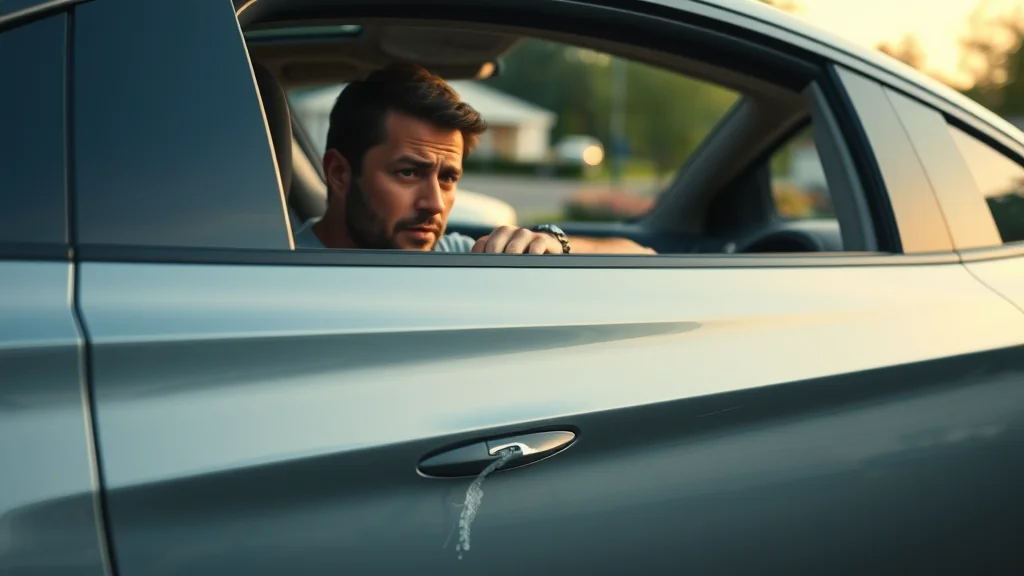
"You might be shocked to learn that even a low-speed fender-bender could mean your advanced car is ‘totaled.’"
What You'll Learn in This Deep Dive on Why Minor Accidents with ADAS May Result in a Total Loss
The true cost of repair for vehicles equipped with ADAS
How total loss is determined by your insurance company
Why your auto insurance premiums could be impacted
The hidden risks of property damage related to minor collision incidents
Steps you can take when a minor collision involves ADAS
Why Might a Minor Accident with ADAS Lead to My Car Being a "Total Loss"? – The Startling Truth
At first glance, it doesn’t seem logical that a minor accident could total a car, especially when the damage is hardly noticeable. Yet with advanced driver assistance systems (ADAS), the difference comes down to what’s behind the surface. Many ADAS sensors—such as those for lane departure, adaptive cruise, and blind spot monitoring—are embedded in bumpers, mirrors, and hoods. Even a light impact can disrupt, crack, or misalign these vital sensors. The result: Repair costs that compound quickly, often surpassing the value threshold that insurance companies use to declare a vehicle a “total loss.”
In the post-ADAS era, a minor collision can mean replacing not just cosmetic panels but expensive electronics and software. Insurance company data shows that the threshold for a “total loss” creeps lower each year as repair cost and labor rates climb, while used car values and part supply chains fluctuate. For drivers, this means even a seemingly inconsequential accident might leave you negotiating a total loss settlement with your insurer.

The Rise of ADAS and the Real Cost of Repair
The rapid adoption of ADAS technology—including lane departure warning, adaptive cruise control, and blind spot monitoring—has undeniably made driving safer. But it comes with a price: Today’s modern vehicles can be shockingly expensive to repair even after minor accidents. In older vehicles, a fender-bender would require inexpensive parts and basic labor. Now, those same panels conceal delicate cameras and radar modules. Disruption, even without noticeable damage, often means full component replacement and precise recalibration.
Beyond the physical sensors, repairing an ADAS system also frequently demands advanced diagnostics and software updates. This calls for specialized labor, pushing repair costs and labor rates well above what drivers might expect. When you factor in supply chain delays for specialty parts and higher complexity for calibration, it’s no wonder that the total loss risk for ADAS-equipped vehicles is much higher. Drivers of newer vehicles must be aware that even minor collisions with property damage can turn into major insurance headaches—and potentially a total loss.

Understanding What Constitutes a "Total Loss" in Auto Insurance Today
Traditionally, a car was declared a total loss when the cost of repair approaches or exceeds its pre-accident market value—often set by your insurance company at 70%. With ADAS, this threshold can drop closer to 60%, because recalibrating or replacing sensitive safety equipment is so expensive. The insurance industry has evolved its criteria precisely because “minor” no longer means “cheap.” Now, if the combined repair, labor rate, and replacement part cost surpasses the lower threshold, your car could be totaled even if it still looks drivable.
This is a fundamental shift. Before ADAS, most total loss declarations involved catastrophic accidents. Now, panels plus sensors, all requiring advanced repair and diagnostics, may tip the scale. The process can seem opaque to policyholders, but it’s rooted in hard realities of auto insurance math and the skyrocketing price of advanced automotive technology.
Comparison of Total Loss Criteria Pre- and Post-ADAS Era | ||
Criteria |
Pre-ADAS Vehicles |
Post-ADAS Vehicles |
|---|---|---|
Threshold for Total |
~70% value |
~60% value |
Common Repairs |
Body panels only |
Sensors + panels |
Avg. Repair Cost |
Lower |
Higher |
How Auto Insurance Companies Handle Minor Collisions with ADAS
When you file an insurance claim after a minor collision, your insurance company will send an appraiser to evaluate the full scope of the property damage. With ADAS, adjusters now look far beyond the visible dents. Special diagnostic scans reveal if radar, camera, or ultrasonic sensors have been misaligned or compromised. The potential need for recalibration—often costing thousands—can easily push the repair cost above your vehicle’s total loss threshold.
Insurance companies now factor in not just part replacement but high labor rates for specialized work on advanced systems and protracted timelines due to supply chain delays. They use increasingly sophisticated algorithms to assess if the rising repair costs justify a total loss. The new reality for car insurance policyholders is that complex tech may trump superficial appearances—the bill can reach total loss territory before you realize it.
Minor Collision, Major Consequence: When the Cost of Repair Triggers a Total Loss
In today’s insurance industry, it’s not unusual to see a car declared a total loss after what appears to be a minor accident. Why? Because the equipment powering your lane departure warning, adaptive cruise control, or blind spot monitoring typically resides just behind susceptible exterior panels. If these are even slightly affected, it often necessitates not just cosmetic fixes but in-depth sensor diagnostics, part replacement, and calibration.
For instance, a simple graze along the bumper could disrupt radar sensors, crucial to the ADAS system. The repair estimate may now need to include both bodywork and intricate recalibration services—pairing expensive ADAS parts with high labor rates. In such cases, your insurance company’s total loss determination leans not on what you see, but on those invisible, costly repairs lurking underneath.

How Insurance Company Appraisers Assess Property Damage When ADAS Is Involved
Once a minor accident with ADAS is reported, the insurance company appraiser inspects not only the property damage but specifically notes any areas with embedded sensors or cameras. They often employ digital scanning tools to check if your car’s driver assistance systems—like lane departure or adaptive cruise—function properly. Even without obvious exterior harm, if diagnostic data logs errors or misalignments, the cost of specialist labor and OEM replacement parts must be factored into the repair estimate.
Increasingly, insurance adjusters also consider factors like part scarcity caused by global supply chain disruptions, which can delay repairs and drive costs further. Their decision on a total loss is based on both mathematics and the logistics of advanced auto repair. If projected expenses climb above that new, lower threshold (often around 60% of the car’s pre-accident market value), the insurance company is likely to pay out your car’s total value rather than attempt a costly restoration.
The Hidden Expense: Why Does ADAS Drive Up the Cost of Repair and Total Loss Risk?
Calibration of sensors and cameras
Limited availability of replacement parts
Specialized labor requirements
Software reprogramming and diagnostics
Why are modern ADAS repairs so expensive? Much comes down to the fragility and precision required for these advanced systems to perform safely. Even a minor bump often requires the vehicle to be checked, and often recalibrated, with high-end shop equipment. Each affected radar or camera must be perfectly realigned, and this process can only be performed by specially trained technicians—at premium labor rates.
Further, carmakers sometimes restrict who can sell or fit replacement parts, and global supply chain fluctuations can make sourcing critical ADAS components a waiting game. Unlike the straightforward repairs of old, today’s ADAS fixes blend physical hardware, digital software, and intricate diagnostics—all at a cost that adds up startlingly fast.

Property Damage Concerns Unique to ADAS-Equipped Cars
Beyond repair cost, ADAS introduces fresh concerns in the context of property damage. Unlike traditional vehicles, where a scrape might only mean cosmetic trouble, minor incidents can erode your car’s ability to safely alert for nearby vehicles (blind spot monitoring), maintain lane integrity (lane departure warning), or even auto-brake in emergencies. If these assistance systems are compromised, you’re not just facing a higher repair bill—you could also be putting safety at risk if improper repairs go undetected.
Emerging research shows a correlation between property damage claims in ADAS-equipped vehicles and an increase in total loss incidents. This reinforces the need for thorough diagnostics and, sometimes, the difficult decision to total the vehicle for consumer safety and liability reasons.
Common Scenarios: Minor Collision, Extensive ADAS Damage
Consider a low-speed side swipe while parking or a minor rear-end tap at a stoplight. In older cars, you'd probably just need a little bodywork. In a modern ADAS-enabled vehicle, these scenarios can break, misalign, or even render cameras and radar inoperable. For many owners, the surprise comes not from the dent itself, but when the repair cost jumps thousands of dollars due to necessary recalibrations and replacement sensors.
Here, the total loss risk is greatest for newer vehicles, as they have more embedded ADAS components and their value quickly intersects with soaring repair costs. The result: total losses that seem disproportionate to the visual property damage.
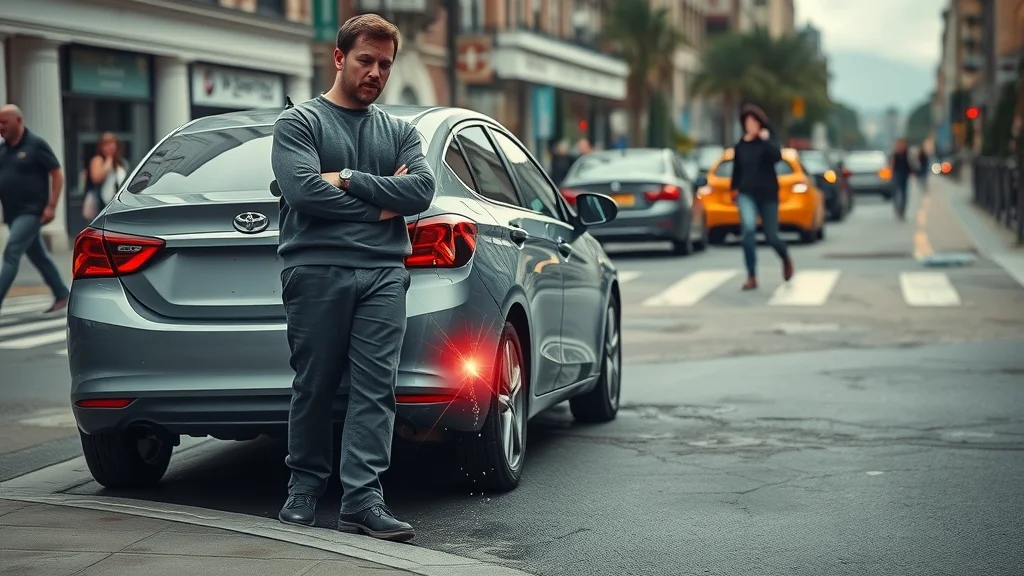
How the Value of Your Vehicle Impacts the Total Loss Decision
The insurance company’s decision to declare a total loss always weighs the car’s actual cash value against the projected cost of repair. For modern vehicles with ADAS, even moderate damage can tip the scale quickly. Newer vehicles have higher replacement part costs and the newest versions of driver assistance systems—making them more expensive to repair but also more likely to be deemed a total loss when fix costs outpace value.
Meanwhile, older vehicles with less complex tech may be more easily repaired at a lower cost, resulting in fewer total losses. Understanding where your car sits on this spectrum is crucial; owners of newer vehicles with full ADAS suites are at greater risk of a minor accident leading straight to a total loss payout.
Expert Quotes on the Real-World Impact of Minor Collisions and Auto Insurance Claims
"ADAS has revolutionized safety but complicated repairs, driving up total loss claims for what used to be basic fender-benders." – Automotive Claims Specialist
People Also Ask: Exploring Your Biggest Concerns
Why would an insurance company total a car with minor damage?
An insurance company may declare a total loss even after a minor collision if the cost of repair exceeds a set percentage of the vehicle’s pre-accident value (often between 60-70%). With ADAS, routine accidents can cause invisible damage to sensors and driver assistance systems that are expensive to repair and require specialized labor, pushing the total bill higher than the car’s worth.
Who is legally responsible if a collision occurs as the result of an ADAS failure after a windshield installation?
If a collision stems from an ADAS malfunction following a windshield replacement, liability can be complex. The installer may be responsible if they failed to follow proper recalibration protocols, but some responsibility could also rest with the vehicle owner or parts supplier. It’s crucial to use a reputable shop that can recalibrate and test all driver assistance systems to certify correct performance after any structural work.
What causes a vehicle to be a total loss?
A vehicle is considered a total loss when the sum of all repair costs—including parts, labor, diagnostics, and recalibrations—exceeds a percentage of its market value, as determined by your auto insurance company. With ADAS, the need for advanced tech repair and updated sensors means even low-speed incidents may trigger a total loss designation.
How do insurance companies decide total loss?
Insurance companies use algorithms and current industry data to estimate the total cost to return your car to pre-accident condition. If this cost (including high labor rates and ADAS repairs) exceeds the predetermined threshold of the car’s value, they typically declare a total loss and pay you the actual cash value instead of repairing the vehicle.
How to Protect Yourself: Tips for Navigating Total Loss Risks with Advanced Technology

Understand your insurance policy about ADAS coverage
Ask for a detailed cost of repair breakdown after a minor collision
Request all recalibration and ADAS replacement documentation
Consider gap insurance on newer vehicles
Proactive steps can help you avoid unpleasant surprises when filing an insurance claim on your ADAS-equipped vehicle. Know the ins and outs of your car insurance and ask pointed questions about recalibration coverage, repair cost allowances, and total loss thresholds. If your car is totaled, having documentation for all recalibrations and system checks strengthens your claims process.
FAQs: Fast Answers About Minor Accidents, ADAS, and Total Loss
Do all minor collisions with ADAS lead to a total loss?
Not all minor collisions will trigger a total loss, but ADAS increases the risk when repairs are complex or costly. Many incidents can be fixed if sensors and systems avoid damage, but even a light impact in the wrong spot could make your car too expensive to repair.
Will my premiums increase after a total loss claim?
Typically, yes. Filing a total loss insurance claim often leads to higher premiums, especially with expensive-to-repair modern vehicles. Insurance companies weigh your claims history and the cost of the claim when determining future rates.
Can ADAS systems always be repaired, or are replacements required?
Some ADAS components can be recalibrated or repaired, but often, sensors, cameras, or wiring must be replaced completely. This depends on part availability and the extent of the property damage.
Are aftermarket windshields safe for ADAS calibration?
Aftermarket windshields can work if they meet OEM standards and are properly installed with correct ADAS calibration. However, improper installation or poor-quality glass can cause alignment problems or interfere with system reliability, so always choose a certified, reputable installer.
Key Takeaways: What Every Car Owner Should Remember

Even a minor collision with ADAS can result in a total loss
The cost of repair for ADAS equipped vehicles skyrockets due to technology
Insurance company policies are evolving quickly to address these risks
Conclusion: Rethinking Auto Insurance and Total Loss in the Era of Advanced Driver Assistance Systems
As ADAS makes modern vehicles safer but more expensive to repair, it’s more important than ever to review your policy, ask questions, and protect your investment—so you’re never caught off guard by a “total loss” after a minor collision.
If you’re considering a new vehicle or want to better understand how safety features can impact your insurance and repair experience, it’s wise to explore the broader landscape of automotive technology. Our guide on car safety features to look for before buying your next car offers valuable insights into which systems provide the best balance of protection and practicality. By staying informed about the latest advancements, you can make smarter decisions that safeguard both your safety and your wallet. Take the next step in your car ownership journey by learning how the right features can shape your driving confidence and long-term costs.
For Personalized Advice on ADAS Coverage and Total Loss, Call Us At (630) 852-3578
Don’t face the complex world of ADAS repairs and total loss decisions alone. Call our I-CAR Gold certified team today at (630) 852-3578 for expert, personalized guidance on your auto insurance coverage and peace of mind!
Incorporating insights from authoritative sources can deepen your understanding of how minor accidents involving Advanced Driver Assistance Systems (ADAS) can lead to a vehicle being declared a total loss.
The article “Why a Minor Collision Can Still Lead to a Total Loss Determination” from Elmer’s Auto Body explains that even minor collisions can result in a total loss due to hidden structural damage and the high cost of repairing advanced safety features. (elmersautobody.com)
Additionally, the AAA Newsroom article “AAA: New Vehicle Technologies Double Repair Costs for Minor Collisions” highlights that ADAS can add up to $3,000 in repair costs for minor collisions, emphasizing the financial impact of these advanced systems. (newsroom.acg.aaa.com)
If you’re serious about understanding the financial implications of ADAS in minor accidents, these resources will provide valuable insights into repair costs and insurance considerations.


Write A Comment