

Add Row
Add Element
cropper
update

[Company Name]

update
Add Element
  • Blog Home
  • Subscribe
  • Contact Us
  • Website
  • Categories
    • Collision Repair 101
    • Choosing The Right Auto Body Repair
    • Collision Repair Cost & Insurance
    • Auto Safety and Accident Prevention
    • Understanding Automobile Technology
  • All Posts
  • Collision Repair Cost & Insurance
  • Choosing The Right Auto Body Repair
  • Collision Repair 101
  • Auto Safety and Accident Prevention
  • Understanding Automobile Technology
January 26.2026
1 Minute Read

How Manufacturer Collision Repair Certifications Benefit Our Customers

Did you know that cars repaired at manufacturer-certified collision repair shops are 40% more likely to pass post-repair safety inspections? This surprising fact reveals just how crucial the right certification can be for your safety and your car’s value

A Surprising Fact: The Impact of Manufacturer Collision Repair Certifications

When your vehicle needs repair after an accident, you want certainty that it will be restored to its pre-loss condition, both in safety and appearance. That’s why it’s so important to understand how manufacturer collision repair certifications benefit collision repair customers. Certified collision repair shops offer customers more than cosmetic touch-ups—they provide assurance that your car’s critical safety systems are properly restored. In a world where car technology is rapidly advancing, manufacturer certification is a clear sign that a repair shop is up to date and follows standards that protect both you and your investment.

"Research shows that cars repaired at manufacturer-certified collision repair shops are 40% more likely to pass post-repair safety inspections."

For you, this could mean the difference between driving with real peace of mind and unknowingly taking risks on the road. Manufacturer-certified collision repair shops employ highly trained technicians, use advanced diagnostic equipment, and have direct access to OEM parts and repair procedures. These standards ensure that your repaired vehicle meets the strict guidelines set by the original equipment manufacturer, ultimately resulting in higher-quality repairs and greater protection in future incidents.
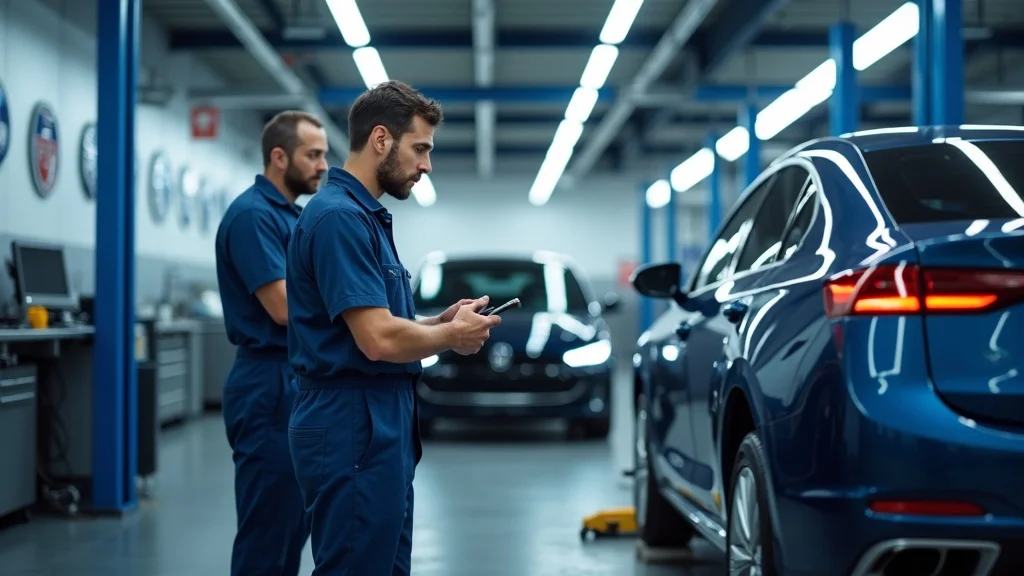
Modern auto body shop with manufacturer collision repair certifications and technicians using advanced equipment for collision repair

Technicians at a certified collision repair shop using state-of-the-art equipment for auto body repair.

Why Certifications Matter in Collision Repair

In today’s automotive landscape, cars have high-tech safety systems, lightweight materials, and custom engineering that require expert handling. When you bring your damaged vehicle to a certified collision repair shop, you’re choosing professionals trained in the latest repair techniques, using tools and parts approved by the vehicle’s manufacturer. This isn’t just about appearances—it’s about making sure your car’s structure, airbags, safety system, and electronics all work exactly as designed. Without these certifications, improper repairs could compromise your car’s performance or even your safety. By insisting on manufacturer collision repair certifications with your repair shop, you are actively safeguarding your investment, your family, and your future driving experiences.

Certified repairs don’t just benefit you at the moment—they maintain your car’s value and ensure warranties remain intact well into the future. Whether you’re dealing with insurance claims, lease agreements, or simply planning to drive your vehicle for years to come, choosing a certified shop is an act of long-term protection and smart vehicle ownership.

While understanding the value of certified repairs is essential, it's also important to recognize how these certifications tie into broader auto safety practices. For a deeper look at how certified repairs contribute to accident prevention and overall vehicle safety, explore our article on auto safety and accident prevention strategies.

What You'll Learn About Manufacturer Collision Repair Certifications

  • The definition and importance of manufacturer collision repair certifications

  • Differences between OEM certification, certified collision repair, and traditional repair shops

  • How these certifications enhance your vehicle’s safety and value

  • What questions to ask when choosing a repair shop

Understanding Collision Repair and OEM Certification

What Is Collision Repair?

Collision repair is the process of restoring a vehicle to its original safe, functional, and aesthetic condition after a crash or accident. It goes beyond simply making your car look good; it involves restoring the structural integrity, repainting, panel replacement, and recalibrating complex safety systems. Professional auto body repair or body shop technicians ensure that all components, from airbags to advanced driver-assistance systems, work exactly as the manufacturer intended.

At reputable repair shops, particularly those with certified collision repair status, technicians follow manufacturer-guided repair procedures. These protocols are designed to ensure proper repairs for each model, year, and brand, maintaining both safety system function and vehicle value. When a collision repair shop invests in certification, it commits to ongoing training and industry-approved repair process standards, which maximize quality, safety, and customer satisfaction.

The Fundamentals of OEM Certification and OEM Certifications

OEM stands for Original Equipment Manufacturer. OEM certification means that a repair shop has met stringent requirements set by vehicle manufacturers regarding training, tools, equipment, and repair standards. These shops use only approved procedures and OEM parts to ensure repairs are as close to factory specifications as possible. OEM certifications signal that the technicians are experts on the makes and models they repair, familiar with the latest in automotive technologies, and able to guarantee the highest standards of quality repair.

Obtaining OEM certifications or participating in a certification program requires an ongoing commitment to excellence. Certified shops must frequently undergo audits, use specialized diagnostic technology, and invest in continuing technician education. This results in repairs that restore both performance and appearance, reduce risk of future issues, and provide the peace of mind customers deserve following a stressful accident.
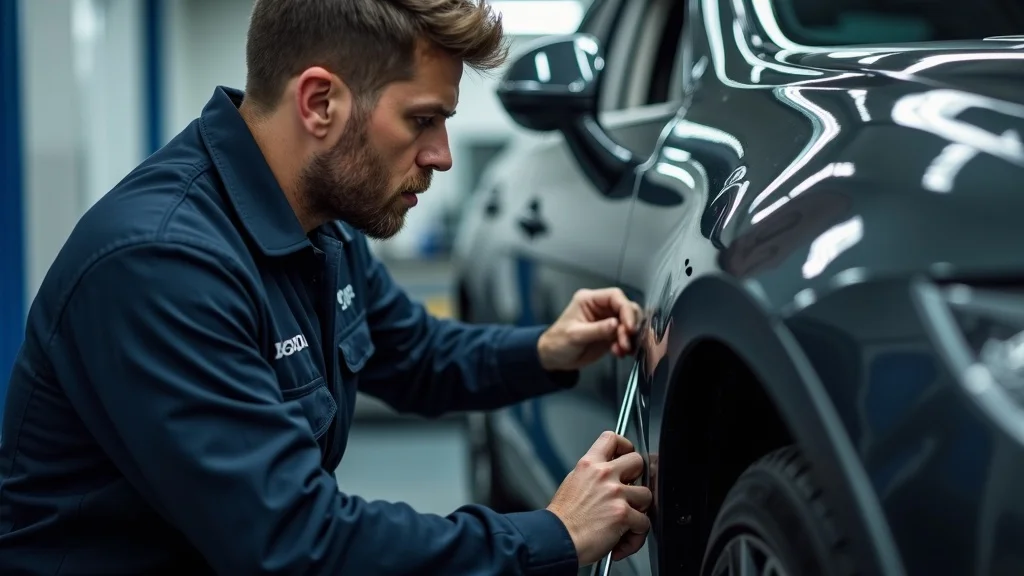
Technician performing precise OEM certified collision repair at a clean auto body shop

Expert technician performing an OEM certified repair for optimal structural integrity and fit.

Certified Collision Repair: Setting the Standard

Certified collision repair isn’t just a marketing badge—it’s an industry standard that protects consumers. Certified collision repair shops have been evaluated and approved not just by insurance companies or state regulators, but by the automakers themselves. This means your repair is backed by the manufacturer’s own standards and ongoing oversight.

With certified collision repair, you benefit from accountability, traceability, and confidence. These shops employ only highly skilled technicians who complete extensive manufacturer training on repair procedures, structural alignment, and use of OEM parts. This commitment delivers the proper repair process you deserve after an accident. You get quality repairs that bring your vehicle back to pre-accident condition and keep warranties and safety systems fully intact.

Certified Collision Repair Shop vs. Standard Repair Shop

It’s important to compare certified collision repair shops with standard body shops. A certified shop must not only use OEM parts and follow OEM repair procedures, but also invest heavily in ongoing technician training and advanced equipment. Standard repair shops may use non-OEM or aftermarket parts and aren’t required to follow factory guidelines. This difference can impact your car’s safety, warranty, and resale value.

Certified shops undergo rigorous checks and often provide extended warranties on repairs, offering customers extra peace of mind. In contrast, standard shops might prioritize cost-saving measures, sometimes at the expense of proper repairs. By choosing a certified repair shop, you’re ensuring the highest standards and guaranteeing the quality of your auto body repair.

Comparison: Certified Collision Repair Shop vs. Standard Repair Shop

Feature

Certified Collision Repair Shop

Standard Repair Shop

Technician Training

Ongoing manufacturer-mandated training, I-CAR Gold & OEM certification

General training, not always specific to make/model

Equipment

Manufacturer-approved advanced tools

Standard or outdated industry equipment

Parts Usage

OEM parts only

Mix of OEM and aftermarket parts

Warranty

Extended by manufacturer and repair shop

Often limited and not manufacturer-backed

Vehicle Resale Value

Maintained, as OEM procedures are followed

May decrease due to unverified repairs

Why Choose a Certified Collision Repair Shop for Your Auto Body Repair Needs?

Opting for a certified collision repair shop ensures your vehicle is restored to the highest industry standards. Certified shops use OEM parts, access up-to-the-minute repair procedures, and guarantee precise structural repairs and safety system recalibration. This minimizes the risk of future issues and keeps your car performing as designed—essential for both your everyday comfort and your vehicle’s long-term value.

  • Access to OEM parts and procedures

  • Guaranteed structural integrity and safety system recalibration

  • Extended warranties from manufacturers

These advantages provide unmatched peace of mind. Not only do you get a quality repair, but you also strengthen your vehicle’s performance and value well into the future.

How Do Manufacturer Collision Repair Certifications Benefit Collision Repair Customers?

Enhanced Safety and Structural Integrity

One of the most important benefits of manufacturer collision repair certifications is your safety. Certified shops use methods that follow precise engineering and safety instructions from your car’s original manufacturer, guaranteeing the proper repair of critical safety systems and restoring structural integrity. This means that after a collision, your vehicle’s crumple zones, seat belts, and airbags will perform as expected in future incidents.

Without certified repairs, something as basic as a mismatched sensor or an out-of-position panel can cause serious risks if you’re in another accident. Manufacturer-certified technicians ensure every detail is properly checked—and nothing is left to chance. This attention to correct repair procedures directly impacts your family’s safety on the road.
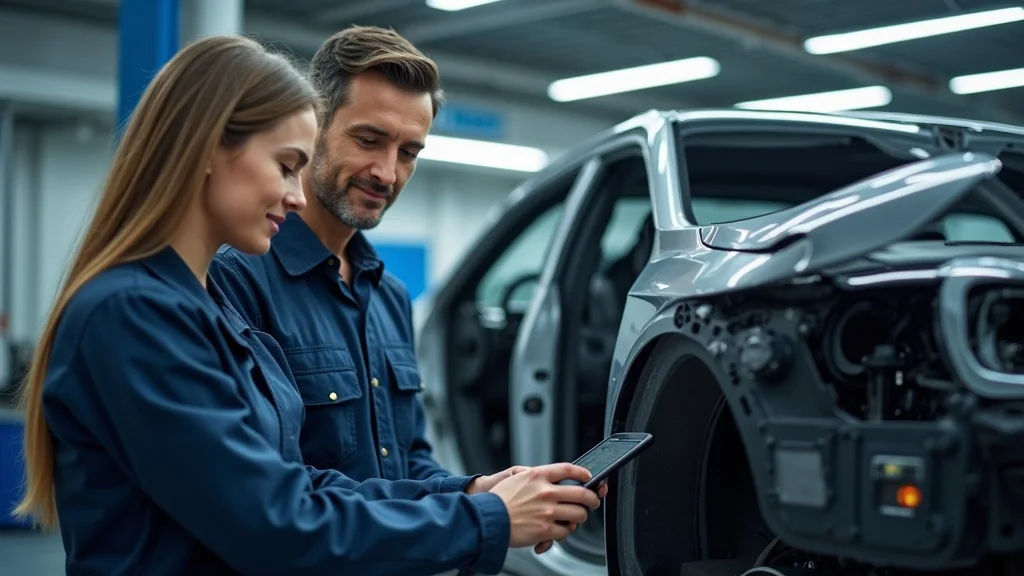
Certified collision repair shop performing post-repair safety and frame integrity inspection

Certified shop technicians meticulously inspect vehicle safety systems after collision repairs.

Warranty Protection and Peace of Mind

Having your repairs completed at a manufacturer-certified auto body shop means that your vehicle’s original warranty remains valid. Some automakers even offer extended warranties when repairs are done at OEM-certified shops. This warranty protection removes uncertainty and avoids disputes with the manufacturer, insurance company, or dealership down the road. The confidence that comes from knowing your repair is guaranteed and endorsed by both the automaker and the repair shop gives you real peace of mind.

Collision repair customer receiving warranty paperwork from a certified repair shop

Customers receive warranty documentation when choosing certified collision repair.

Imagine the relief of picking up your car and being assured that your investment is protected—no worry about hidden issues, denied coverage, or compromised safety systems.

Maintaining Vehicle Value with Certified Collision Repair

Whether you’re thinking of selling, trading in, or simply driving your car for years to come, maintaining its value is a top priority. Manufacturer certified collision repairs guarantee that your vehicle is fixed to factory standards, protecting its market value. Potential buyers and dealers often check repair histories, and certified repairs provide documented assurance that your car hasn’t been compromised by substandard work.

Non-certified repairs, particularly those using aftermarket parts or incomplete processes, can decrease resale value by signaling that safety and quality were not prioritized. By selecting a certified collision repair shop, you’re not just fixing your car—you’re investing in its long-term worth.

Skilled Technicians and Advanced Equipment

Manufacturer certification isn’t just about the sign on the door—it’s about the people and technology inside. Certified shops employ technicians with ongoing training and up-to-date knowledge in new materials, electronics, and repair techniques. These technicians use specialized, manufacturer-approved diagnostic tools and equipment that ensures every part and system is restored to its original state.

With rapid changes in automotive technology—think ADAS, hybrid/electric systems, or lightweight alloys—having access to skillful, certified technicians is more important than ever for quality repairs. This advanced expertise ensures you receive the highest standards of service and reduces the risk of issues after you leave the repair shop.

OEM Certified: What Does It Mean for Your Vehicle?

Using OEM Parts vs. Aftermarket Parts

One of the key features of an OEM certified collision repair shop is its commitment to using OEM parts: components produced by your vehicle’s original manufacturer. These parts offer a perfect fit, tested durability, and full compatibility with your car’s systems. In contrast, aftermarket parts may not meet strict manufacturer specifications, and might not provide the same safety, performance, or longevity.

Using OEM parts keeps your vehicle as close to its original condition as possible. This not only maintains your safety and value but also ensures you comply with manufacturer and insurance requirements.
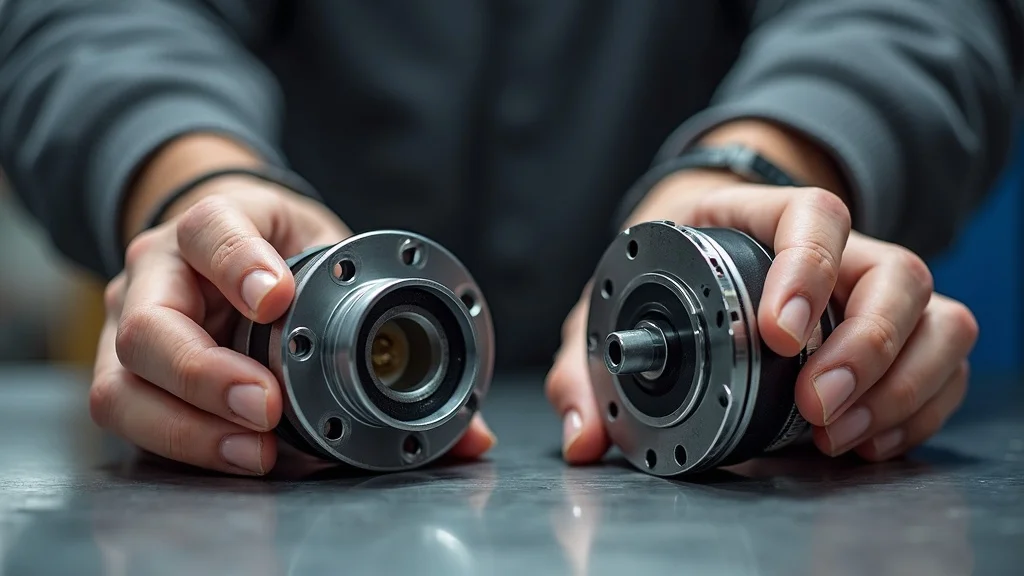
OEM certified collision repair shop displaying original OEM parts compared to unbranded aftermarket parts

OEM parts ensure fit, performance, and manufacturer-backed reliability in collision repairs.

"An OEM certified repair shop follows stringent standards set by your vehicle’s manufacturer, ensuring the right fit and function."

By prioritizing OEM parts, you ensure the integrity, longevity, and safety of your post-collision repairs.

Key Benefits for Collision Repair Customers

  1. Assurance of proper safety system repairs

  2. Confidence the repair shop is up to date on your vehicle’s latest technology

  3. Limited risk of voiding warranties

  4. Faster turnaround times for collision repair

Each of these benefits goes a long way in guaranteeing your vehicle's safety, performance, and value after an accident. From your very first visit to a certified collision repair shop, you’ll experience a level of professionalism and transparency designed to put you at ease and get you back on the road faster and safer.

People Also Ask: Collision Repair Certification Essentials

What are the benefits of being ASE certified?

ASE certification demonstrates a technician’s expertise, instills confidence in repair quality, boosts trust in the collision repair shop, and may lead to better service for customers.

What is certified collision repair?

Certified collision repair means your vehicle is repaired by a shop that has met the manufacturer’s rigorous standards for training, equipment, and repair procedures, ensuring safe and reliable results.

What does "OEM certified" mean?

OEM certified indicates the repair shop is authorized by the original equipment manufacturer to perform repairs to factory specifications using approved parts and processes.

What does "certified collision" mean?

"Certified collision" generally refers to collision repair completed by technicians and shops that have received official training and recognition from vehicle manufacturers or certifying bodies.

FAQs: Your Manufacturer Collision Repair Certification Questions Answered

  • Do certified collision repair shops use OEM parts exclusively?
    Most certified shops are required to use OEM parts wherever possible to maintain manufacturer specifications and quality standards. However, insurance policies may sometimes influence part choice, so always ask your shop for clarification.

  • Will manufacturer certification affect my insurance claim?
    In general, having repairs done at a certified shop should not negatively impact your insurance claim. In fact, many insurers prefer certified repairs for their documentation and warranty coverage.

  • How do I verify if a repair shop is OEM certified?
    You can ask the repair shop directly, look for manufacturer or OEM certification displayed on premises, or visit your vehicle manufacturer’s website for a directory of certified collision repair shops.

  • Are certified repairs more expensive than standard repairs?
    While certified collision repairs may seem more expensive up front due to higher-quality OEM parts and expertise, they often save you money in the long run by preserving warranties, vehicle value, and reducing the risk of improper repairs.

Key Takeaways: Why Certified Collision Repair Is Important for Customers

  • Manufacturer collision repair certifications are critical for vehicle safety and performance

  • Choosing a certified collision repair shop helps preserve vehicle value and factory warranties

  • OEM certification reflects superior training, equipment, and use of genuine parts

Conclusion: Choose Certified Collision Repair for Safety and Peace of Mind

Choosing certified collision repair is a proactive decision for your safety and your car’s value. Don’t compromise—invest in professional, manufacturer-backed repairs every time.

Call us At (630) 852-3578. We'll restore your vehicle to pre-loss condition. Don't stress! Our I-CAR Gold certified team is ready to help.

If you’re ready to take your vehicle safety and maintenance knowledge even further, we invite you to continue your journey with us. Our comprehensive guide on auto safety and accident prevention offers practical tips and advanced strategies to help you stay protected on the road. By understanding both the repair process and proactive safety measures, you’ll be empowered to make smarter decisions for your vehicle and your family. Explore these insights to maximize your peace of mind and ensure your car remains a safe, reliable asset for years to come.

Manufacturer collision repair certifications offer significant advantages to customers by ensuring that repair shops adhere to stringent standards set by vehicle manufacturers. These certifications require shops to use Original Equipment Manufacturer (OEM) parts, follow precise repair procedures, and employ technicians trained in the latest automotive technologies. This commitment results in repairs that restore vehicles to their original safety, performance, and aesthetic standards.

One key benefit is the assurance of safety and structural integrity. Certified repair centers follow manufacturer guidelines to restore safety features in your vehicle—such as airbags and structural integrity. This adherence to protocols reduces future risks and helps ensure that your vehicle is safe to drive post-repair.

Additionally, choosing a certified collision repair center helps preserve your vehicle’s warranty. Many vehicle manufacturers require that repairs be conducted at certified centers to maintain the vehicle warranty. By choosing a certified center, you ensure that your repairs do not void any existing warranty coverage, ultimately protecting your investment in your vehicle.

Furthermore, certified repairs can enhance your vehicle’s resale value. A vehicle repaired at a certified center retains its value better than one repaired at a non-certified shop. This is because certified repairs are recognized for their quality and reliability.

In summary, opting for a manufacturer-certified collision repair shop ensures that your vehicle is repaired to the highest standards, maintaining its safety, warranty, and value.

Understanding Automobile Technology

58 Views

0 Comments

Write A Comment

*
*
Related Posts All Posts

How Advanced Driver Assistance Systems Affect Collision Repair

Here’s a fact that might surprise you: Even though vehicles equipped with advanced driver assistance systems (ADAS) are designed to help us avoid accidents, collision repair costs for these high-tech cars are up to 30% higher than for non-ADAS vehicles. How does technology built for safety actually make fixing cars after an accident more complicated—and more expensive? In this article, you’ll learn not only how advanced driver assistance systems affect collision repair but also what you, as a car owner, can do to protect your safety and your wallet.A Surprising Reality: How Advanced Driver Assistance Systems Affect Collision Repair StatisticsCollision repair is undergoing a seismic shift because of ADAS technology. While these systems, including automatic emergency braking and lane-keeping assist, do lower overall accident rates, they can make post-accident repairs significantly more complex. In fact, the Insurance Institute for Highway Safety reports that vehicles with features like adaptive cruise control and sensors and cameras often cost considerably more to restore after even minor fender benders. Why? When these advanced safety features are damaged, certified technicians must undertake specialized repairs and precise ADAS calibration before your car returns to the road.These additional steps mean that repair shops now spend more time inspecting, diagnosing, and calibrating advanced driver assistance systems, compared to traditional collision repair. This has transformed the repair process for modern vehicles, putting greater pressure on body shops to invest in new training and equipment. As you’ll discover, how advanced driver assistance systems affect collision repair isn’t just about cost—it’s about ensuring your vehicle’s high-tech safety features are fully restored and functional after an accident. The Startling Numbers Behind ADAS Tech and Collision RepairsAccording to recent industry studies, collision repair costs for ADAS-equipped vehicles are not only up to 30% higher but also take, on average, several days longer to complete compared to vehicles without such features. The reason is simple: ADAS components—like radar sensors, cameras, and control modules—require precise alignment and advanced diagnostics. If repairs or calibrations are performed incorrectly, it could compromise the very safety features meant to protect you. For instance, a misaligned camera can cause adaptive cruise control or automatic emergency braking systems to malfunction, placing you at risk. These realities mean that both drivers and repair shops must approach every post-collision restoration with heightened care and expertise.For a deeper understanding of the foundational steps involved in restoring any vehicle after an accident, you might find it helpful to review the essentials outlined in Collision Repair 101. This resource covers the basic repair process and highlights what sets modern repairs apart, especially as technology evolves.What You’ll Learn About How Advanced Driver Assistance Systems Affect Collision RepairThe role of ADAS technology in modern vehiclesWhy collision repair is more complex with advanced driver assistance systemsThe impact of safety features on the repair processKey questions to ask your repair shop or body shopUnderstanding Advanced Driver Assistance Systems (ADAS Tech) and Safety FeaturesModern vehicles now come packed with an impressive array of ADAS features designed to support you behind the wheel. Systems like lane departure warnings, blind-spot monitors, adaptive cruise control, and automatic emergency braking aim to anticipate and avoid collisions, making today’s rides safer than ever before. But these improvements to vehicle safety also bring a new level of technical complexity to the world of collision repair.The greatest advantage—reduced likelihood of accidents—comes with the caveat that when repairs are needed, they are far more nuanced and require both a technical and methodical approach. Each sensor and calibration is vital. Knowing how these advanced driver assistance systems work will help you understand the repair process, ask the right questions at your local body shop, and safeguard your peace of mind.What Are Advanced Driver Assistance Systems?Advanced driver assistance systems (ADAS) are electronic technologies built into vehicles to automate, adapt, and enhance vehicle systems for safer driving. These include common safety features such as automatic emergency braking, lane-keeping assist, adaptive cruise control, and blind-spot detection. Collectively, these safety systems utilize sensors, cameras, radar, and sophisticated software to detect potential hazards and respond in real time.While ADAS technology can help prevent accidents, it relies heavily on the proper functioning of its core components in order to work as intended. For you, the driver, this means that after any significant body impact or collision, even if cosmetic, it’s essential to ensure all ADAS features are properly inspected and recalibrated. Only then can you count on systems designed to provide maximum protection in the event of another emergency. ADAS Components and Their Influence on Collision RepairEvery ADAS system consists of multiple complex, interconnected ADAS components. These include ultrasonic sensors (for proximity detection), radar sensors, front and rear cameras, LIDAR modules, and control units that process all the collected information. Damages to these parts—whether from a minor bump or a major accident—can critically impair driver assistance systems.In the context of collision repair, technicians must go far beyond typical bodywork. ADAS repair requires specialized diagnostic tools to locate faults, access proprietary system data, and run precise calibrations, sometimes even in specialized facilities. When a bumper housing a sensor is replaced, or a windshield with an embedded camera is changed, these systems must be returned to manufacturer specifications through careful alignment and sophisticated ADAS calibration. This high standard ensures all safety features continue to function as intended.The Intersection of Safety Features and Collision Repair: Why It MattersAdvanced safety features enhance road safety by helping drivers avoid collisions, but that same technology can complicate repairs. Why? Because seemingly minor misalignments or overlooked faults can dramatically change the way ADAS tech interprets the road, turning a potential lifesaver into a risk.This is why vehicle manufacturers and insurance companies now recommend that every ADAS-related repair concludes with a thorough professional ADAS calibration. If a repair shop fails to properly test and calibrate your driver assistance system after an accident, you could unknowingly be driving a compromised vehicle—one that doesn’t deliver the full risk-reducing benefits of its advanced systems.How Driver Assistance Systems Complicate Collision RepairTraditional collision repair typically involves fixing visible damage—paintwork, dent removal, replacing panels, or realigning frame components. However, when a car has driver assistance systems, every step becomes substantially more complex. For instance, each ADAS component must be carefully removed, replaced, and recalibrated, adding hours or even days to the repair process.There’s also the challenge of hidden sensor damage. A seemingly minor bumper impact could knock a radar sensor out of alignment, which might not be visible without diagnostics. ADAS repair specialists use digital tools to ensure sensors and cameras are perfectly positioned—in some cases, just a few millimeters off can mean your lane-keeping or adaptive cruise control works inconsistently or fails altogether.From Body Shop to ADAS Repair Shop: Industry ShiftsThe impact of advanced driver assistance systems is so profound that it’s changing the body shop landscape. Today’s top repair shops must now invest in advanced diagnostic equipment, proprietary software, and staff training if they want to keep up with rapidly-evolving ADAS technology. The “panel beaters” of the past are transitioning into high-tech specialists, with many shops dedicating entire sections to ADAS repair and calibration.This shift ensures the quality and integrity of collision repair for modern vehicles. For you, that means it’s more important than ever to choose a repair shop or body shop with the experience and technology to restore every safety feature in your car.A Look Inside the Collision Repair Process for Vehicles with ADAS TechnologyWhen your ADAS-equipped car suffers an accident, the collision repair journey involves a variety of specialized steps you may not expect. Unlike traditional cars, which often just need the basics—panel removal, straightening, and painting—vehicles with driver assistance systems demand a multi-step protocol to restore both looks and technology. From scanning onboard computers to checking the precise placement of sensors and cameras, every detail matters to ensure your vehicle’s safety integrity.Not only must technicians fix visible damage, but they must also confirm that all ADAS components are fully functional after the repair process. Missing even one ADAS calibration step could have life-or-death consequences the next time you drive. That’s why today’s collision repair is no longer “one size fits all.” Steps in the Repair Process: Traditional vs. ADAS-Equipped VehiclesLet’s break it down. With a traditional car, the repair process is relatively straightforward—inspect the damage, repair or replace damaged mechanical and cosmetic parts, then check for safety. When your car features driver assistance systems, steps multiply. Now, skilled technicians must:Conduct advanced scans to assess the condition of all ADAS componentsSafely remove and reinstall sensitive sensors and camerasReplace or realign parts to incredibly tight tolerancesPerform ADAS calibration to ensure sensors and controllers communicate accuratelyTest all driver assistance systems before giving your vehicle the all-clearEach step requires knowledge of the latest vehicle technology, underscoring why more and more repair shops are specializing as ADAS repair centers.The Essential Role of ADAS Calibration in Safe Vehicle RestorationADAS calibration is the process of realigning and testing the vehicle’s safety system sensors, ensuring each component works as intended according to the manufacturer’s standards. After a collision—even a minor one—these components can shift or become damaged. Calibration requires specific tools, a controlled environment, and highly-trained technicians. The result? A car whose advanced driver assistance systems are fully restored, ready to keep you safe.If your repair shop skips this step, critical safety features like automatic emergency braking, adaptive cruise control, or lane-keep assist may not function properly. That’s why it’s vital to work with a body shop that recognizes the importance of ADAS calibration and follows through on every detail.Challenges Facing Repair Shops With Advanced Driver Assistance SystemsThe rapid adoption of ADAS tech has reshaped the repair industry landscape. Now, body shops and repair shops are scrambling to keep up with wave after wave of new technology. The learning curve is steep because every car manufacturer employs different sensors, software, and calibration requirements—meaning yesterday’s repair knowledge isn’t enough.For car owners, this means that not every repair shop is equipped to restore advanced driver assistance systems to pre-loss condition. That’s why choosing the right shop is more important now than ever before.Why Repair Shops & Body Shops Face Steeper Learning CurvesIt isn’t just about adding a few new tools. Shops must retrain technicians, update repair protocols, purchase proprietary calibration devices, and invest in ongoing education to stay current as ADAS technology evolves. The need for continual training is especially acute because a mistake as tiny as improper sensor placement can nullify an entire ADAS system—and put lives at risk.In addition, safety features are becoming more interconnected across different brands and vehicle classes, meaning technicians must be able to diagnose and repair a growing range of ADAS components. For the industry, the evolution from simple dent repair to meticulous ADAS servicing signals a shift no shop can afford to ignore. Cost and Training Implications for Collision Repair ProfessionalsThe added complexity introduced by advanced driver assistance systems is driving up the cost of repairs—not only due to the parts themselves, but from the specialized labor and diagnostic equipment required. For insurance companies, this translates into higher average claim payouts. For repair shops and technicians, these changes demand a significant investment in training, advanced tools, and manufacturer-specific certifications.The upside is clear: With the right knowledge and approach, modern body shops can successfully restore even the most technologically-advanced vehicles to factory standards. Still, the journey from traditional collision repair to ADAS-centered excellence is a challenging one, and not every shop is up to the task.Pros and Cons: How Advanced Driver Assistance Systems Affect Collision RepairFactorPositive ImpactNegative ImpactSafety FeaturesIncreased driver protectionComplex repairs and higher costsADAS Component SensitivityBetter accident preventionDelicate and costly to recalibrateRepair ProcessEnhanced post-repair safety via calibrationLonger repair timesExpert Insights: Quotes on How Advanced Driver Assistance Systems Affect Collision Repair "ADAS technology has revolutionized safety features, but it's changed the game for every body shop that handles collision repair." – Industry ExpertA Video Guide: How Advanced Driver Assistance Systems Affect Collision Repair In Older VehiclesWatch: ADAS and Older VehiclesWhat are some complications when dealing with ADAS on older vehicles? What happens to ADAS systems over time? Watch as an ADAS calibration technician discusses real-world examples, where people neglect maintenance on their cars, minor bumps and grinds and wear and tear can cause system failures. Hear firsthand about proper repairs of older vehicles equipped with ADAS. Update People Also Ask – How Advanced Driver Assistance Systems Affect Collision RepairAre vehicles with advanced driver assistance systems more expensive to repair?Vehicles equipped with advanced driver assistance systems (ADAS) tend to be more expensive to repair due to specialized components and calibration requirements.Do all body shops handle ADAS tech collision repairs?Not all body shops are equipped for ADAS tech repairs—choose a repair shop familiar with calibration and advanced driver assistance systems.What questions should I ask my repair shop about ADAS system repairs?Key questions: Can the shop recalibrate ADAS components? Are technicians trained in advanced driver assistance system repairs?Common ADAS Repair Scenarios and Your Rights as a DriverList: Typical ADAS-Related Repairs After a CollisionReplacing damaged bumpers housing radar or ultrasonic sensorsRepairing or recalibrating front and rear cameras after accident impactReinstalling or recalibrating LIDAR modules and adaptive cruise control equipmentRecalibrating windshield-mounted cameras after glass replacementDiagnosing software or sensor faults after fender benders Know Your Rights: Ensuring Proper Collision Repair with Driver Assistance System InvolvementAs a driver, you have the right to expect your vehicle’s ADAS features to be fully functional after a collision repair. Always choose a qualified repair shop experienced in advanced driver assistance systems, and insist on full diagnostics and ADAS calibration before taking your vehicle back on the road.Don’t hesitate to ask for documentation of repairs, calibrations, and parts replaced. If your insurer tries to dictate repair choices, remember you have rights—advocate for the safety and proper restoration of your vehicle’s safety features.FAQs About How Advanced Driver Assistance Systems Affect Collision RepairWill insurance cover ADAS repairs?Most standard auto insurance policies cover ADAS repairs following a covered claim, but you may pay higher deductibles due to the complexity of replacement and calibration. Always verify with your provider and confirm what’s included to avoid surprises.How long does ADAS calibration take?The calibration process for advanced driver assistance systems can take anywhere from one to several hours, depending on the make and model of your vehicle and the extent of the repairs. Ensure your repair shop follows manufacturer guidelines throughout the process.Can a faulty ADAS system affect insurance claims?Yes, if it’s determined that your vehicle’s ADAS systems were not properly repaired or calibrated after an accident, it could impact both your insurance claims and future accident liability. Always ensure comprehensive repairs and documentation.Key Takeaways: How Advanced Driver Assistance Systems Affect Collision RepairADAS technology means both greater safety and greater repair complexity.Proper calibration is a make-or-break step in modern collision repair.Body shops must embrace new training to keep up with advanced driver assistance systems.Ready for Safe Collision Repair with ADAS Technology?Call us At (630) 852-3578We'll help you restore your vehicle to pre-loss condition. Don't stress! Our I-CAR Gold certified team is ready to help. (630) 852-3578As you navigate the complexities of ADAS-equipped vehicle repairs, understanding the broader landscape of auto body restoration can empower you to make more informed decisions. If you’re interested in exploring how to select the best professionals for your needs, our guide on choosing the right auto body repair shop offers practical tips and strategic insights. By arming yourself with knowledge about both technology and service quality, you’ll be better prepared to protect your investment and ensure your vehicle’s safety features are always in top condition. Take the next step toward confident, future-ready collision repair by learning what to look for in a trusted repair partner.Advanced Driver Assistance Systems (ADAS) have significantly enhanced vehicle safety by reducing accident rates. However, repairing vehicles equipped with these technologies can be notably more complex and costly. According to a study by the American Automobile Association (AAA), ADAS features like automatic emergency braking and lane departure warning can add up to 37.6% to the total repair cost after a crash. This increase is primarily due to the high cost of replacing and calibrating the sensors that operate these systems. Even minor damage to components such as front radar or distance sensors can result in additional repair expenses of up to $1,540. (newsroom.aaa.com)The Insurance Institute for Highway Safety (IIHS) highlights that while ADAS features offer impressive safety benefits, they can complicate repairs, especially after crash damage or windshield replacement. Their survey revealed that among vehicle owners who had ADAS repairs, about half reported issues with the features after the job was completed. (iihs.org)Furthermore, the integration of ADAS has led to a transformation in the collision repair industry. Repair shops now need to invest in advanced diagnostic equipment, proprietary software, and continuous staff training to handle the intricacies of ADAS repairs. This shift underscores the importance of choosing a repair facility that is well-versed in ADAS technologies to ensure that all safety features are fully restored and functional after an accident. (autonews.com)Understanding the impact of ADAS on collision repair is crucial for vehicle owners. Being informed about potential repair costs and the necessity for precise calibration can help in making educated decisions when selecting a repair shop. Ensuring that all ADAS components are properly repaired and calibrated is essential for maintaining the safety and functionality of your vehicle.

Terms of Service

Privacy Policy

Core Modal Title

Sorry, no results found

You Might Find These Articles Interesting

T
Please Check Your Email
We Will Be Following Up Shortly
*
*
*